
Pexicopiini
Hodges, 1986
Genus Guides
3Pexicopiini is a tribe of small within the Anomologinae of the Gelechiidae, established by Hodges in 1986. The tribe is characterized by specific morphological features of the male genitalia, particularly musculature patterns that distinguish constituent . Recent taxonomic work has clarified relationships within the tribe, including the establishment of new genera based on functional of genital structures. The tribe includes genera distributed primarily in the Palearctic region.
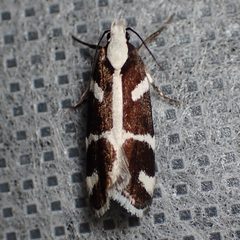
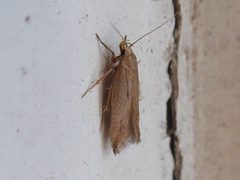
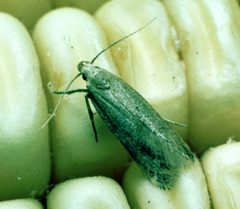
Pronunciation
How to pronounce Pexicopiini: /ˌpɛksɪkoʊˈpiːɪnaɪ/
These audio files are automatically generated. While they are not always 100% accurate, they are a good starting point.
Identification
Male genital musculature provides diagnostic characters for distinguishing Pexicopiini . Specifically, the presence or absence of muscle m3 has been used to associate genera: Sitotrogoides and Sitotroga share the lack of muscle m3, separating them from other genera in the tribe. Detailed examination of the musculoskeletal apparatus of the male genitalia is required for definitive generic assignment.
Images
Distribution
Confirmed records from Japan and Korea for at least some constituent (Sitotrogoides acanthopis). Broader geographic range of the tribe as a whole is not explicitly documented in available sources.
Similar Taxa
- SitotrogaShares the lack of muscle m3 in male genitalia with Sitotrogoides, distinguishing both from other Pexicopiini ; this musculature reduction represents a derived character state linking these genera.
More Details
Taxonomic history
The tribe was established by Hodges in 1986. Recent revisionary work (2019) has focused on functional of male genitalia to clarify generic limits, demonstrating that musculature characters provide more reliable phylogenetic signals than form alone.
Research focus
Available literature emphasizes taxonomic revision and male genital rather than , , or . The 3,333 iNaturalist observations suggest the tribe is moderately well-documented photographically, though these data are not taxonomically verified.