Elachista freyerella
(Hübner, 1825)
Elachista freyerella is a small in the Elachistidae, described by Hübner in 1825. The is widespread across Europe (excluding the Balkan Peninsula) and occurs in North America. It is a grass-mining species whose larvae develop within the leaves of various Poaceae .
Pronunciation
How to pronounce Elachista freyerella: /ɛˈlæ.kɪs.tə ˌfrɛɪ.əˈrɛl.lə/
These audio files are automatically generated. While they are not always 100% accurate, they are a good starting point.
Identification
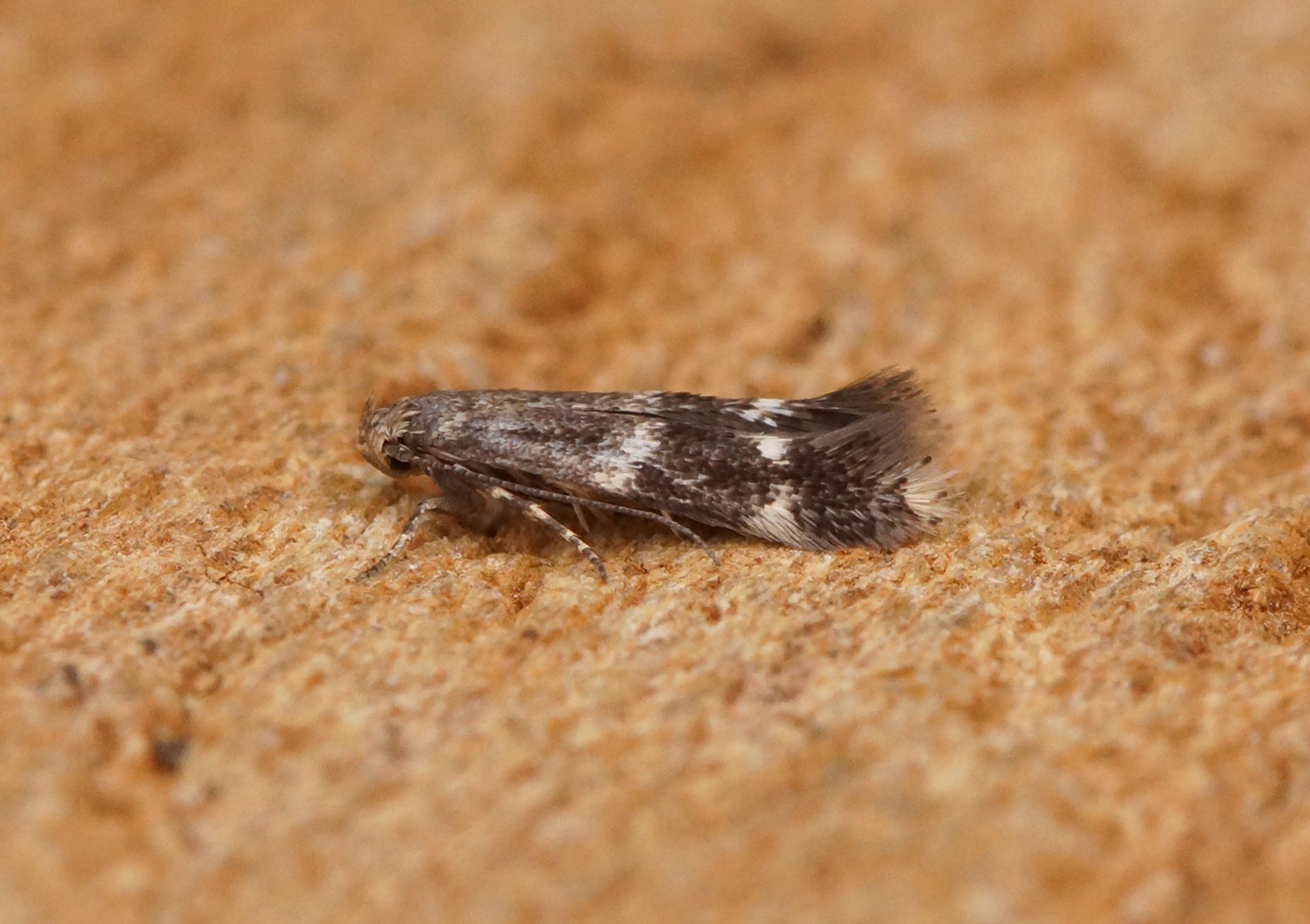
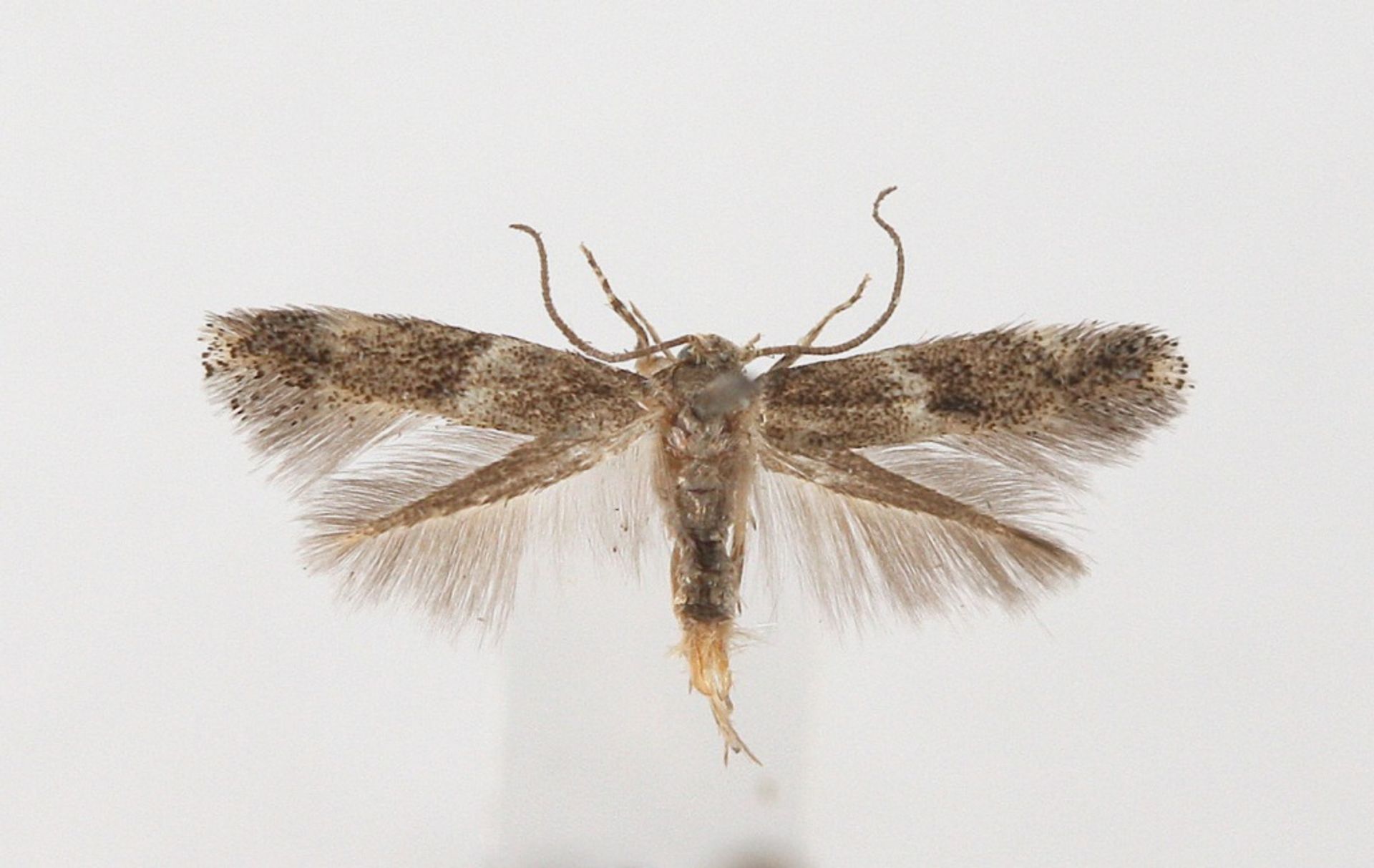
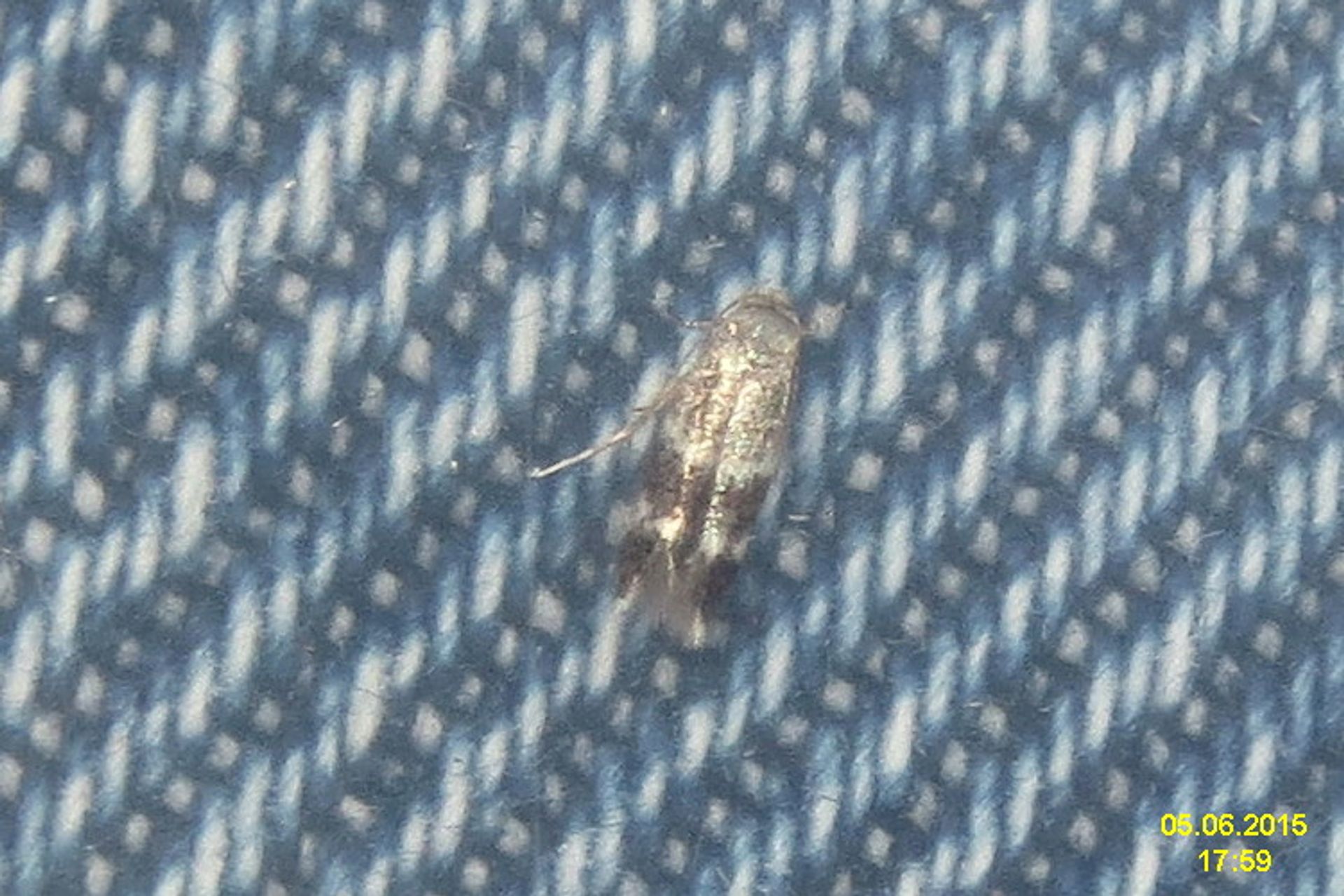
The small size (7–8 mm wingspan) and distinctive forewing pattern of interrupted whitish fasciae and spots separate this from most other Elachista. The in marking distinctness is notable: males show reduced, often broken fasciae while females display clearer white markings. Similar small Elachista species require genitalia examination or larval association for reliable separation.
Images
Habitat
Grasslands, meadows, pastures, and other supporting diverse Poaceae flora. Associated with both natural and semi-natural grassland where grasses occur.
Distribution
Europe: widespread across all regions except the Balkan Peninsula. North America: present. Specific records include Belgium (Flemish and Walloon regions, Antwerpen province).
Diet
Larvae are leaf miners feeding internally on grasses (Poaceae): Agrostis (bents), Bromus species (bromes), Dactylis species (cocksfoot), Festuca arundinacea (tall fescue), Festuca rubra (red fescue), Holcus species (soft grasses), Koeleria macrantha (crested hair-grass), Poa species including P. annua, P. badensis, P. nemoralis, P. pratensis, P. trivialis, Trisetum ciliare, and Triticum.
Host Associations
- Agrostis - larval bent grasses
- Bromus - larval bromes
- Dactylis - larval cocksfoot grasses
- Festuca arundinacea - larval tall fescue
- Festuca rubra - larval red fescue
- Holcus - larval soft grasses
- Koeleria macrantha - larval crested hair-grass
- Poa annua - larval meadow grass
- Poa badensis - larval
- Poa nemoralis - larval wood bluegrass
- Poa pratensis - larval common meadow-grass
- Poa trivialis - larval rough meadow-grass
- Trisetum ciliare - larval
- Triticum - larval
Life Cycle
Larvae mine within grass leaves, feeding internally on tissue. occurs outside the mine.
Behavior
Larval mining : creates internal leaf mines in grass blades. are presumably or , typical for the .
Ecological Role
Primary consumer (herbivore) as larva, feeding on diverse grass . Part of the supporting and other natural enemies of leaf-mining Lepidoptera.
Human Relevance
Minor potential significance in grassland ; no documented economic impact on agriculture despite larval feeding on Triticum and pasture grasses.
Similar Taxa
- Other Elachista speciesMany Elachista are small with dark forewings and pale markings; reliable identification often requires examination of genitalia or association with specific larval .