
Ceranemota
Clarke, 1938
Species Guides
7Ceranemota is a of in the Drepanidae, Thyatirinae. The genus was established by Clarke in 1938 and contains eight recognized distributed in North America. Species within this genus are characterized by their habits and association with forested . The genus name is feminine in gender.
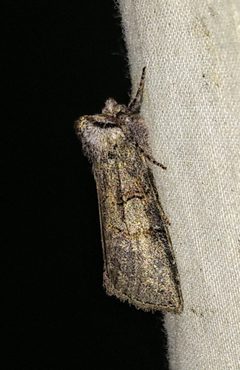
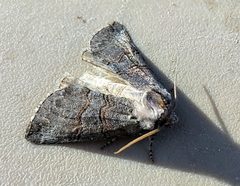
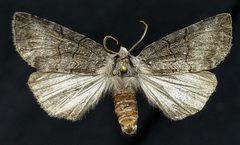
Pronunciation
How to pronounce Ceranemota: /sɛrəˈnɛmɒtə/
These audio files are automatically generated. While they are not always 100% accurate, they are a good starting point.
Identification
Ceranemota can be distinguished from related thyatirine by wing pattern characteristics, particularly the arrangement and shape of fasciae (banding patterns) on the forewings. Specific diagnostic features include variations in the width and continuity of transverse bands. Species-level identification requires examination of genitalic structures and comparison of wing pattern details.
Images
Habitat
in this are associated with forested environments, particularly coniferous and mixed woodlands. Elevational range varies by species, with some occurring in montane regions.
Distribution
North America, with distributed across western regions including California, the Pacific Northwest, the Rocky Mountains, and western Canada. Specific range boundaries differ among the eight constituent species.
Seasonality
are active during late summer and autumn months, with periods generally occurring from August through October depending on and latitude.
Behavior
are and attracted to light. Larval has been documented for some but remains incompletely known across the .
Ecological Role
Larvae function as herbivores, with documented feeding on foliage of coniferous trees including fir (Abies) and possibly other Pinaceae. serve as prey for and may contribute to pollination.
Human Relevance
No significant economic importance. Occasionally encountered by enthusiasts and in forest insect surveys. Some have restricted distributions of potential conservation interest.
Similar Taxa
- ThyatiraShares Thyatirinae but distinguished by wing pattern details and genitalic ; Thyatira generally exhibit more complex spot configurations.
- PseudothyatiraSimilar overall appearance but separated by forewing shape and pattern elements; Pseudothyatira typically shows more pronounced wing scalloping.
More Details
Species diversity
The contains eight described : C. improvisa, C. fasciata, C. crumbi, C. semifasciata, C. tearlei, C. partida, C. albertae, and C. amplifascia. Several species were described by Clarke in 1938 in his original establishment of the genus.
Taxonomic history
Originally described by Clarke in 1938, with C. improvisa (previously placed in other ) designated as type . The genus has remained stable in its placement, though -level classification has shifted between Drepanidae and in different treatments.