
Ceranemota fasciata
(Barnes & McDunnough, 1910)
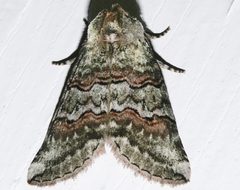
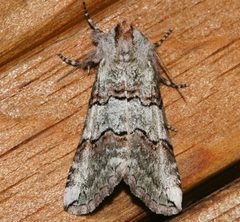
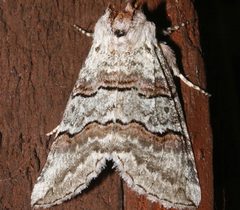
Ceranemota fasciata is a in the Drepanidae (hook-tip moths) described by William Barnes and James Halliday McDunnough in 1910. It occurs in western North America from coastal southern Alaska through British Columbia to northern California. The inhabits coastal rainforests, mixed hardwood forests, and montane riparian areas. Larvae feed on Amelanchier alnifolia and various Prunus species including P. ilicifolia and P. virginiana.
Pronunciation
How to pronounce Ceranemota fasciata: /ˌsɛrəˈniːmɒtə fæˈsiːɑːtə/
These audio files are automatically generated. While they are not always 100% accurate, they are a good starting point.
Images
Habitat
Coastal rainforests, mixed hardwood forests, and montane riparian areas. Specific forest types include temperate coniferous and broadleaf mixed woodlands with sufficient moisture and understory development to support plants.
Distribution
North American Pacific coastal region: recorded from coastal southern Alaska, British Columbia, and south to northern California. The range spans approximately 15 degrees of latitude along the Pacific seaboard.
Diet
Larvae feed on Amelanchier alnifolia (serviceberry) and Prunus including Prunus ilicifolia (hollyleaf cherry) and Prunus virginiana (chokecherry). feeding habits have not been documented.
Host Associations
- Amelanchier alnifolia - larval plantserviceberry
- Prunus ilicifolia - larval planthollyleaf cherry
- Prunus virginiana - larval plantchokecherry
- Prunus - larval plant-level association
More Details
Original description
Described as Bombycia fasciata by Barnes & McDunnough in 1910, later transferred to Ceranemota. The specific epithet 'fasciata' refers to banded or striped appearance, though detailed description of patterning is not available in cited sources.
Sources and further reading
- BugGuide
- Wikipedia
- GBIF taxonomy match
- iNaturalist taxon
- NCBI Taxonomy
- Catalogue of Life
- Buprestidae | Beetles In The Bush | Page 6
- Meet the Crevice Weaver: A Newly Discovered Urban Spider from Colombia | Blog
- Year of the Horse 2026: A selection of equine-related species to celebrate the Lunar New Year | Blog
- Platystomatidae | Beetles In The Bush