
Ceranemota improvisa
(Edwards, 1873)
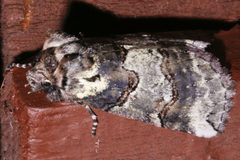
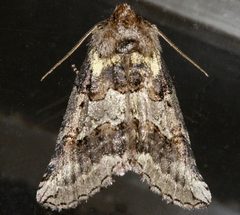
Ceranemota improvisa is a in the Drepanidae, first described by Henry Edwards in 1873. It occurs in the Pacific Northwest of North America, ranging from northern California through western Oregon and Washington to south-western British Columbia. are active in autumn, flying from late September to November in a single . The larvae feed on specific plants including Crataegus douglasii and Prunus .
Pronunciation
How to pronounce Ceranemota improvisa: //ˌsɛrəˈnɛmɒtə ɪmˈprəʊvɪsə//
These audio files are automatically generated. While they are not always 100% accurate, they are a good starting point.
Images
Habitat
Mixed hardwood forests, coastal rainforests, and mixed hardwood-conifer forests.
Distribution
Northern California, western Oregon, western Washington, and south-western British Columbia.
Seasonality
on wing from late September to November; one per year.
Diet
Larvae feed on Crataegus douglasii and Prunus .
Life Cycle
(one per year); period late September through November.