
Paranthrenini
Niculescu, 1964
Genus Guides
4- Albuna
- Euhagena
- Paranthrene(Clearwing moths)
- Vitacea(Grape Root Borer Moths)
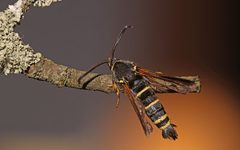
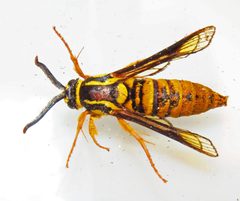
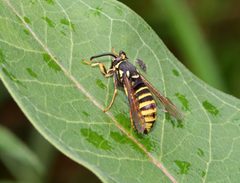
Paranthrenini is a tribe of clearwing moths ( Sesiidae) established by Niculescu in 1964. The tribe belongs to the Adixoa group, which includes African genera such as Fortikona, Rubukona, and Thyranthrene. Members of this tribe are characterized by -mimicking and activity patterns typical of sesiid .
Pronunciation
How to pronounce Paranthrenini: /ˌpærænˈθrɛnɪnaɪ/
These audio files are automatically generated. While they are not always 100% accurate, they are a good starting point.
Identification
Paranthrenini can be distinguished from other Sesiidae tribes by wing venation patterns and genitalia , particularly in male specimens. The tribe is placed within the Adixoa group based on shared morphological characters with related African genera.
Images
Distribution
of Paranthrenini occur in Africa, with documented records from Angola and other regions of southern Africa. The tribe's range appears centered on the African continent, though precise boundaries remain poorly documented.
Similar Taxa
- SesiiniAnother tribe within Sesiidae; Paranthrenini differs in wing venation and genital , particularly the structure of male genitalia
- SynanthedoniniRelated sesiid tribe; Paranthrenini is distinguished by placement in the Adixoa group and African distribution pattern
More Details
Taxonomic placement
Paranthrenini is classified within the Sesiinae and belongs to the Adixoa Hampson, [1893] group, a clade of primarily African clearwing moths.
Data limitations
For recently described such as Afranthrene cinerea from Angola, critical information including female , early instars, and plant associations remain unknown.