
Hypopta
Hübner, 1818
Species Guides
1Hypopta is a of in the Cossidae, established by Hübner in 1818. It is the type genus of the Hypoptinae. The genus contains approximately 30 described distributed primarily in the Americas, with some species occurring in the Palearctic region. Several species have been moved to other genera or synonymized over time.
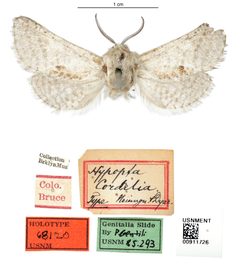
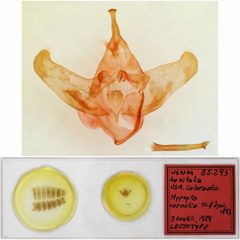
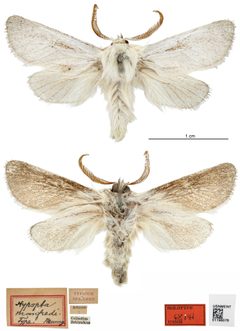
Pronunciation
How to pronounce Hypopta: //hɪˈpɒptə//
These audio files are automatically generated. While they are not always 100% accurate, they are a good starting point.
Identification
Hypopta can be distinguished from other Cossidae by their placement in the Hypoptinae, though specific diagnostic features for the genus as a whole are not well documented in general literature. Individual species vary in wing pattern and coloration. Accurate identification to species level typically requires examination of genitalia and reference to original species descriptions.
Images
Distribution
of Hypopta have been recorded from North, Central, and South America, with additional records from the Palearctic region including Siberia (Hypopta sibirica). Specific countries with documented records include Argentina, Brazil, Mexico, Peru, and the United States.
Similar Taxa
- Other Cossidae generaHypopta is distinguished from other cossid by its classification in the Hypoptinae; many similar-appearing carpenter moths belong to the nominate subfamily Cossinae or other subfamilies.
More Details
Taxonomic history
The was established by Jacob Hübner in 1818. Numerous have been described from the Neotropical region, particularly by Schaus and Dognin in the early 20th century. Several former species have been synonymized or transferred to other genera, including Comadia, Givira, and others.
Species diversity
The contains at least 30 currently recognized , with the majority described from South America. Hypopta palmata is one of the better-known North American species.