
Hypoptinae
Neumoegen & Dyar, 1894
carpenter moths, goat moths
Genus Guides
3- Givira(carpenter moths)
- Hypopta
- Inguromorpha
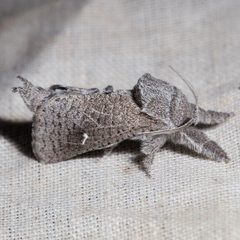
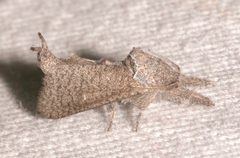
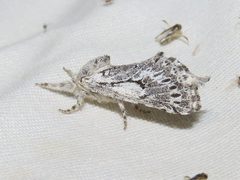
A of carpenter moths (Cossidae) distributed primarily in the Neotropical region, with some extending into North America. The subfamily includes approximately 10 recognized genera, including Givira, Langsdorfia, and Hypopta. Hypoptinae are characterized by their generally robust body form and habits. Many exhibit distinctive wing patterns ranging from dark, mottled coloration to pale, nearly white forms. The subfamily has been subject to recent taxonomic revision, with new species and genera described from Andean and Brazilian localities.
Pronunciation
How to pronounce Hypoptinae: /hɪˈpɒptɪniː/
These audio files are automatically generated. While they are not always 100% accurate, they are a good starting point.
Identification
Hypoptinae can be distinguished from other Cossidae by genitalic and wing venation characters; male genitalia typically feature reduced uncus and specialized valvae. Members of the Givira and related genera often show satiny or lustrous wing scaling. Some , such as those in the genus Dolecta, display reduced wing patterning with pale ground colors. Accurate identification to genus level requires examination of male genital structures and comparison with .
Images
Distribution
Neotropical region, extending into North America. occur in diverse localities including the Andes (Colombia, Ecuador, Peru), Brazil (Minas Gerais), Paraguay, and the southwestern United States (New Mexico). The genus Laberlia is restricted to northern and central Andean mountains. The genus Givira includes from White Sands National Monument, New Mexico.
Behavior
Human Relevance
Subject of taxonomic research and discovery; new species have been described through auction-based naming opportunities supporting conservation fundraising. The contributes to documented biodiversity in protected areas such as White Sands National Monument.
Similar Taxa
Sources and further reading
- BugGuide
- Wikipedia
- iNaturalist taxon
- NCBI Taxonomy
- Catalogue of Life
- Highest bidder names a species after mother | Blog
- Review of Givira Walker, 1856 (Lepidoptera: Cossidae: Hypoptinae) with description of a new species
- Catalogue of the genus Givarbela Clench, 1957 (Lepidoptera: Cossidae: Hypoptinae) with description of one new species from Paraguay
- New data on Neotropical Carpenter Moths of Subfamily Hypoptinae Neumoegen & Dyar, 1894 (Lepidoptera: Cossidae). III. Laberlia − a new genus from Northern and Central Andean Mountains
- New data on Neotropical Carpenter-Moths of Subfamily Hypoptinae Neumoegen & Dyar, 1894 (Lepidoptera: Cossidae). II. A review of the genus Dolecta Herrich-Schäffer, [1854], with description of seventeen new species