Manduca brontes
Drury, 1773
Manduca brontes is a sphinx moth (Sphingidae) first described by Dru Drury in 1773. The occurs in the Caribbean region and northern South America. are known to be active from April to June in Florida. Larvae feed on several plant species including Tecoma and Fraxinus.
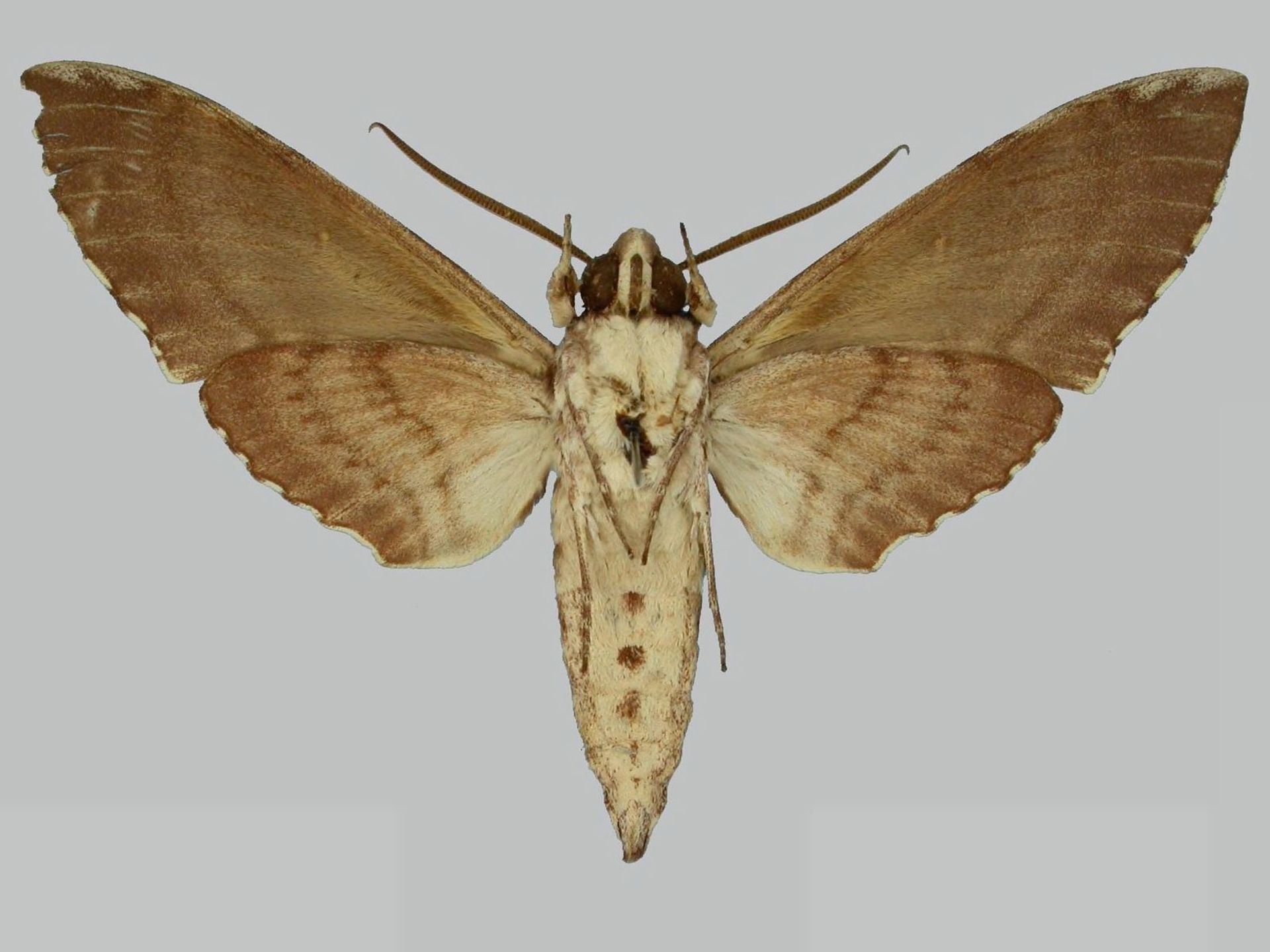
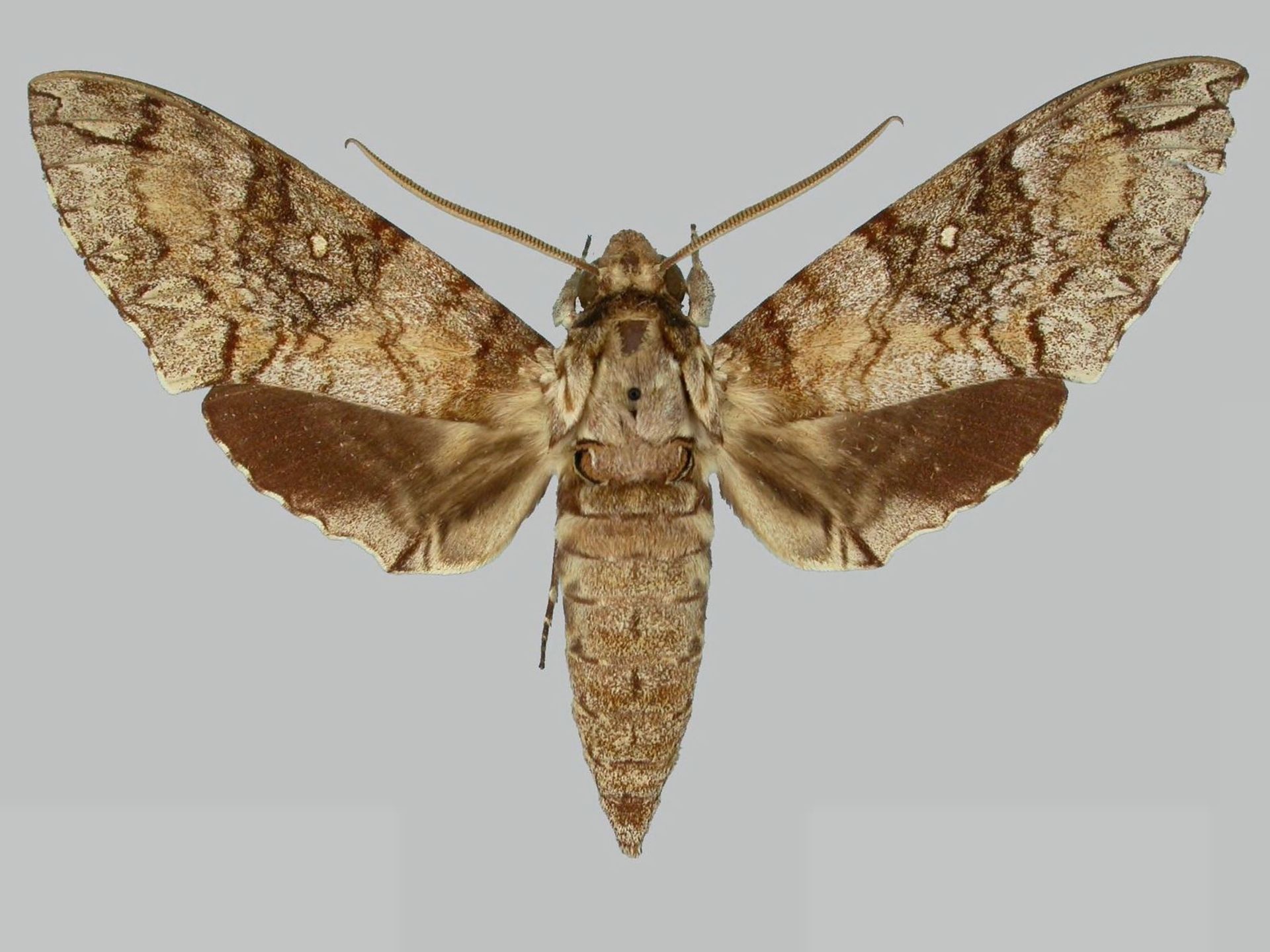
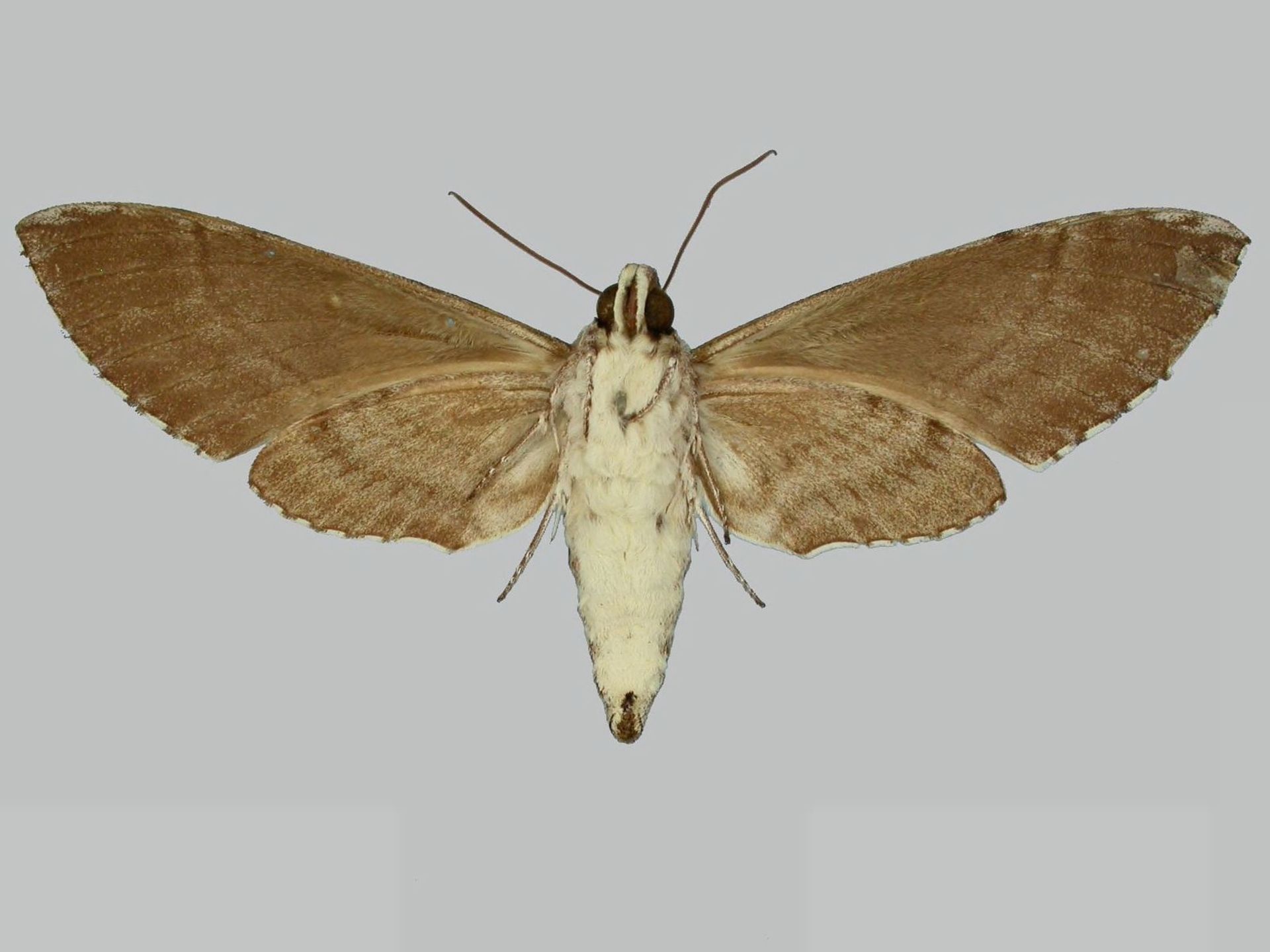
Pronunciation
How to pronounce Manduca brontes: //ˈmæn.djuː.kə ˈbrɒn.teɪz//
These audio files are automatically generated. While they are not always 100% accurate, they are a good starting point.
Images
Distribution
Jamaica, Cuba, Haiti, Puerto Rico, Cayman Islands, Dominican Republic, Suriname, and Florida (USA). Four are recognized: M. b. brontes (Jamaica, Cuba, Greater Antilles, northern South America), M. b. cubensis (Cuba, Cayman Islands, Florida), M. b. haitiensis (Haiti, Dominican Republic), and M. b. pamphilius (Puerto Rico).
Seasonality
are on wing from April to June in Florida. Specific periods for other parts of the range have not been documented.
Diet
Larvae have been recorded feeding on Tecoma (including Tecoma stans) and Fraxinus species (F. americana, F. excelsior, F. platycarpa). feeding habits have not been documented.
Host Associations
- Tecoma stans - larval food plant
- Fraxinus americana - larval food plant
- Fraxinus excelsior - larval food plant
- Fraxinus platycarpa - larval food plant
Similar Taxa
- Manduca sextaSimilar larval and plant use (Solanaceae vs. Bignoniaceae/Oleaceae for M. brontes), but M. sexta is larger, has a red-tipped horn as a larva, and occurs primarily in mainland North America
- Manduca quinquemaculataSimilar size and general appearance as larvae and , but has eight V-shaped white markings with no borders on larvae versus seven diagonal lines with black borders in M. sexta; M. brontes differs in plant associations and geographic range
More Details
Subspecies
Four are recognized with distinct geographic distributions: M. b. brontes, M. b. cubensis, M. b. haitiensis, and M. b. pamphilius.
Sources and further reading
- BugGuide
- Wikipedia
- GBIF taxonomy match
- iNaturalist taxon
- NCBI Taxonomy
- Catalogue of Life
- The Hornworms Are Not Your Friends | Bug Squad
- California Dogface Butterfly Steals the Show | Bug Squad
- Insect FAQs | Entomology Research Museum
- Tough to be a hornworm: Tomato and tobacco hornworms, Manduca quinquemaculata and M. sexta — Bug of the Week
- Advanced Morphology Techniques Reveal Tobacco Hornworm's Secrets
- Scientists Sequence the Genome of the Tobacco Hornworm