
Smerinthus saliceti
Boisduval, 1875
Salicet sphinx, Salicet Sphinx Moth
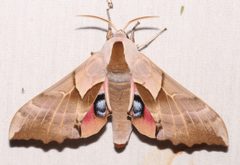
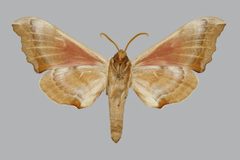
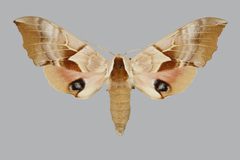
Smerinthus saliceti, commonly known as the Salicet sphinx, is a in the Sphingidae first described by Jean Baptiste Boisduval in 1875. This medium-sized sphinx moth has a wingspan of 67–89 mm and is found in riparian from Mexico City northward through western Texas, Arizona, and into extreme southern California. are active from April to September, with evidence suggesting two per year. The is associated with willow and other riparian vegetation.
Pronunciation
How to pronounce Smerinthus saliceti: //smɛˈrɪnθəs sælɪˈseɪtaɪ//
These audio files are automatically generated. While they are not always 100% accurate, they are a good starting point.
Identification
Distinguished from other Smerinthus by geographic range and preference. The eyespot pattern on hindwings helps separate it from non-eyespotted sphinx moths. Similar to Smerinthus cerisyi (One-eyed Sphinx) but ranges further south and west. The specific epithet 'saliceti' refers to willow groves, indicating its association with Salix habitats.
Images
Habitat
Valleys and streamsides with riparian vegetation, particularly willow (Salix) stands. Associated with cottonwood and other deciduous trees in moist, low-elevation areas.
Distribution
Mexico City north through western Texas, southern Arizona, and extreme southern California. Core range spans the southwestern United States and north-central Mexico.
Seasonality
on wing from April to September. Likely (two per year), though this is inferred from period duration rather than directly documented.
Ecological Role
may serve as when nectaring. Larvae function as herbivores on riparian trees and shrubs.
Similar Taxa
- Smerinthus cerisyiOverlaps in range; distinguished by more northern distribution and subtle differences in wing pattern and eyespot configuration
- Smerinthus ophthalmicaWestern with similar riparian preferences; identification requires examination of genitalia or detailed wing pattern analysis