
Smerinthus astarte
Strecker
Drowsy-eyed Sphinx
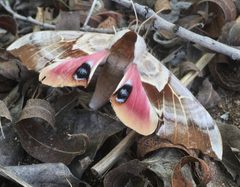
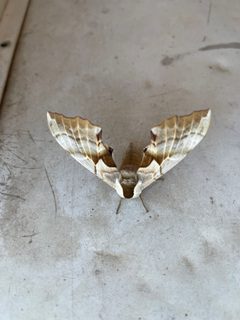
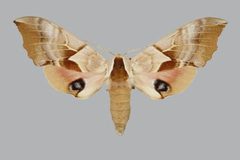
Smerinthus astarte is a sphinx moth in the Sphingidae, currently treated as a synonym of Smerinthus cerisyi by most authorities. The is known from western North America, with records from Alberta, Manitoba, Saskatchewan, and Vermont. The caterpillars feed on aspen, cottonwood, and willow foliage. are and possess distinctive eyespot patterns on the hindwings.
Pronunciation
How to pronounce Smerinthus astarte: //smɛˈrɪnθəs æˈstɑːrti//
These audio files are automatically generated. While they are not always 100% accurate, they are a good starting point.
Images
Distribution
Western North America. Documented from Alberta, Manitoba, and Saskatchewan in Canada; also recorded from Vermont in the United States.
Diet
Caterpillars feed on leaves of aspen (Populus tremuloides), cottonwood (Populus spp.), and non-woolly willow (Salix spp., excluding sandbar willow).
Host Associations
- Populus tremuloides - food plantaspen foliage
- Populus spp. - food plantcottonwood foliage
- Salix spp. - food plantnon-woolly willow foliage; sandbar willow excluded
Life Cycle
Complete with four stages: , larva (caterpillar), pupa, and . Caterpillars pupate in the ground. Adults emerge the following spring (April or May).
Behavior
are (sphingid ). Caterpillars feed openly on plant foliage.
Ecological Role
Caterpillars function as herbivores on riparian and forest trees. likely serve as when nectaring.
Human Relevance
Occasionally encountered by homeowners when caterpillars defoliate ornamental aspen trees. Generally not considered a significant pest; defoliation is typically minor.
Similar Taxa
- Smerinthus cerisyiS. astarte is currently synonymized with S. cerisyi (One-eyed Sphinx or Cerisy's Sphinx). S. cerisyi has a broader distribution across North America and is the preferred name in current usage.
- Smerinthus ophthalmicaAnother western sphinx moth with similar eyespot patterning; distinguished by range and subtle wing pattern differences.