
Opheltes glaucopterus
(Linnaeus, 1758)
Species Guides
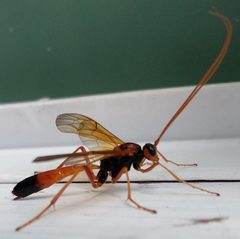
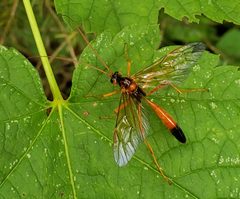
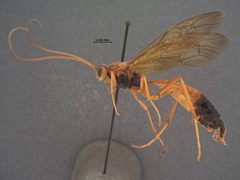
1Opheltes glaucopterus is an ichneumonid that parasitizes pupae of in the Cimbex, particularly the elm sawfly (Cimbex americana). It has a Holarctic distribution, occurring across northern regions of North America, Europe, and Asia. The is a significant natural enemy of Cimbex sawflies, with records of subspecific variation including the North American form Opheltes glaucopterus barberi.
Pronunciation
How to pronounce Opheltes glaucopterus: //oʊˈfɛltiːz ɡlɔːˈkɒptərəs//
These audio files are automatically generated. While they are not always 100% accurate, they are a good starting point.
Identification
As a member of Ichneumonidae, this likely exhibits the 's characteristic long, multi-segmented and slender body with a distinct constriction between and . Specific diagnostic features for distinguishing Opheltes glaucopterus from related ichneumonids are not documented in available sources. Identification to species level typically requires examination of wing venation, ovipositor structure, and other microscopic morphological characters.
Images
Distribution
Holarctic distribution, recorded from Belgium, Canada (including Calgary), and across northern North America, Europe, and Asia. North American records include Colorado and other regions where occur.
Host Associations
- Cimbex - Parasitizes pupae of in this
- Cimbex americana - Specifically noted as ; North American Opheltes glaucopterus barberi is internal of larvae
Ecological Role
Acts as a agent of Cimbex , which are defoliators of elm, willow, and other trees. By parasitizing sawfly pupae, it helps regulate of these herbivorous insects.
Similar Taxa
- Other IchneumonidaeMany ichneumonid wasps share general body plan and lifestyle; microscopic examination required for definitive identification
- Trichogramma minutumAlso parasitizes Cimbex americana, but is a much smaller ( Trichogrammatidae) rather than pupal
More Details
Subspecific variation
The North American has been recognized as Opheltes glaucopterus barberi, which parasitizes the larval stage of Cimbex americana rather than the pupal stage. This suggests possible geographic variation in stage preference or .