
Opheltes
Holmgren, 1859
Species Guides
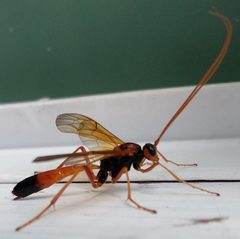
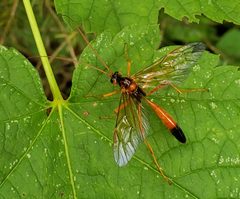
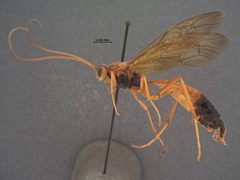
1Opheltes is a of ichneumonid wasps first described by Holmgren in 1859. These are known primarily through their biological association with larvae, particularly as internal . The genus has documented distribution across parts of Europe (Denmark, Norway, Sweden) and North America, with records from Vermont and other U.S. locations. Specific morphological details for the genus as a whole remain limited in available sources.
Pronunciation
How to pronounce Opheltes: //oʊˈfɛltɛs//
These audio files are automatically generated. While they are not always 100% accurate, they are a good starting point.
Identification
Members of the Opheltes can be recognized as ichneumonid wasps by their typical characteristics: long, multi-segmented ; a narrow petiole ( waist); and in females, an elongated ovipositor. -level identification within Opheltes requires examination of detailed morphological features including wing venation, facial structure, and abdominal segmentation patterns. The genus is distinguished from related ichneumonid genera through subtle structural differences in the propodeum and hind leg .
Images
Distribution
Documented records indicate presence in Denmark, Norway, and Sweden, with additional North American records from Vermont and other U.S. localities. The appears to have a transatlantic distribution, though specific range boundaries remain poorly defined.
Host Associations
- Cimbex americana - Opheltes glaucopterus barberi is documented as an internal of Elm Sawfly larvae
Ecological Role
As of larvae, in this contribute to natural of their . This parasitoid-host relationship represents a trophic link between primary consumers (folivorous sawfly larvae) and higher-level consumers in forest and woodland .
Similar Taxa
- Other Ichneumonidae generaSimilar body plan and general ; distinguished by specific structural features of the propodeum, wing venation, and leg segmentation
More Details
Taxonomic Note
The name Opheltes has also been used in classical Greek mythology for a figure associated with the Nemean Games. This homonymy is unrelated to the entomological .