
Neivamyrmex leonardi
(Wheeler, 1915)
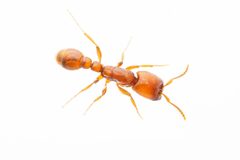
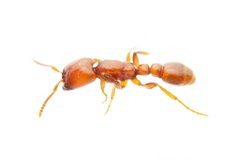
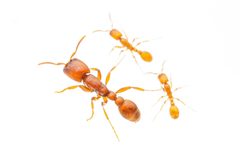
Neivamyrmex leonardi is a of legionary ant in the Dorylinae. The species was described by Wheeler in 1915. Like other members of the Neivamyrmex, it is a nomadic, primarily that raids the nests of other species to prey on larvae and pupae. The genus Neivamyrmex represents one of the two army ant lineages in North America, with species distributed across the southern and western United States and into Mexico.
Pronunciation
How to pronounce Neivamyrmex leonardi: //ˌnaɪvəˈmɜːrˌmɛks ˌlɛoʊˈnɑːrdaɪ//
These audio files are automatically generated. While they are not always 100% accurate, they are a good starting point.
Identification
Neivamyrmex leonardi can be distinguished from other Neivamyrmex by morphological characters described in the original species description, though specific diagnostic features are not well-documented in readily available literature. of Neivamyrmex species generally have 9-segmented with a distinct two-segmented club, and lack a stinger. Males are winged and have been observed at lights. The Neivamyrmex can be separated from the other North American army ant genus, Labidus, by worker mandibular and other characters.
Images
Habitat
Specific preferences for N. leonardi are not well-documented. Other Neivamyrmex inhabit a range of environments including grasslands, open woodlands, and forest edges. Colonies are subterranean and nomadic, with no permanent nest structure.
Distribution
The has been recorded in the southwestern United States and Mexico. Specific locality records are sparse in available sources.
Seasonality
Colonies of Neivamyrmex exhibit alternating nomadic and statary phases. In warmer months, colony emigrations occur primarily before dawn; during cooler fall periods, emigrations may shift to morning hours when temperatures permit. Reproductive (males and queens) are produced seasonally and participate in mating .
Diet
Neivamyrmex leonardi is predatory, feeding on the larvae and pupae of other obtained through raiding. This specialized predatory is characteristic of the .
Host Associations
- Other ant species - preyLarvae and pupae of other colonies are the primary food source, obtained through organized raiding
Life Cycle
The follows the typical pattern for army ants: colonies undergo alternating nomadic phases (during which the colony moves and raids daily) and statary phases (during which the colony remains in one location while the lays ). Colony fission is the primary mode of , with young queens leaving with groups to establish new colonies. Males are produced for mating and do not remain with the parent colony.
Behavior
Neivamyrmex leonardi exhibits the characteristic army ant of the : organized group raiding of other nests, nomadic colony movement, and cooperative prey transport. are primarily subterranean and . When disturbed or exposed, workers may exhibit defensive clustering behavior.
Ecological Role
Human Relevance
Neivamyrmex have minimal direct interaction with humans. They are not considered household pests and do not forage in human structures. Their specialized predatory means they are unlikely to conflict with human interests. The has been studied for its ecological role and as a model for understanding social insect evolution and army ant behavioral ecology.
Similar Taxa
- Neivamyrmex nigrescensAnother widespread North American Neivamyrmex ; separation requires detailed morphological examination of and males
- Neivamyrmex opacithoraxOverlapping distribution in some regions; distinguished by thoracic and mandibular characters
- Labidus coecusThe other North American army ant ; Labidus have different mandibular structure and foraging
More Details
Taxonomic history
The was originally described by William Morton Wheeler in 1915. The Neivamyrmex has undergone taxonomic revision, with species formerly placed in the genus Eciton now assigned to Neivamyrmex based on phylogenetic studies.
Research significance
Neivamyrmex , including N. leonardi, are important subjects for studies of army ant evolution, social organization, and the ecological impacts of nomadic predatory . The represents an independent evolutionary origin of army ant in the New World, separate from the better-known Eciton army ants of Central and South America.
Sources and further reading
- BugGuide
- GBIF taxonomy match
- iNaturalist taxon
- Catalogue of Life
- Bug Eric: Flying Ants
- Bug Eric: A Couple of Weirdos
- Alydidae | Beetles In The Bush
- 9th Annual Fall Tiger Beetle Trip: Day 1 | Beetles In The Bush
- How One Entomologist Looks to Fossil Ants to Answer Big Biology Questions
- Quiz Yourself: 2020 Entomology Games Questions