Liometopum luctuosum
Wheeler, 1905
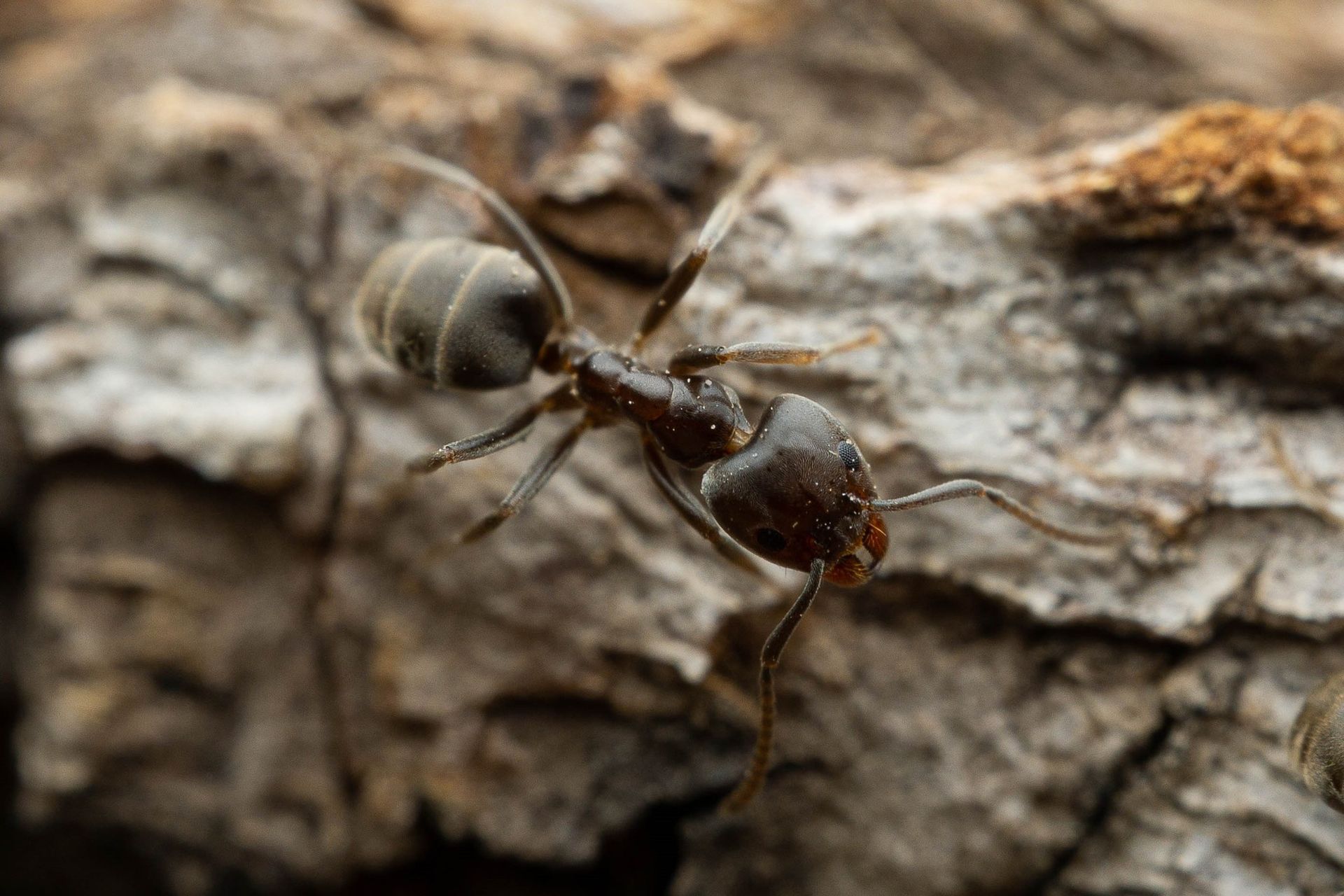
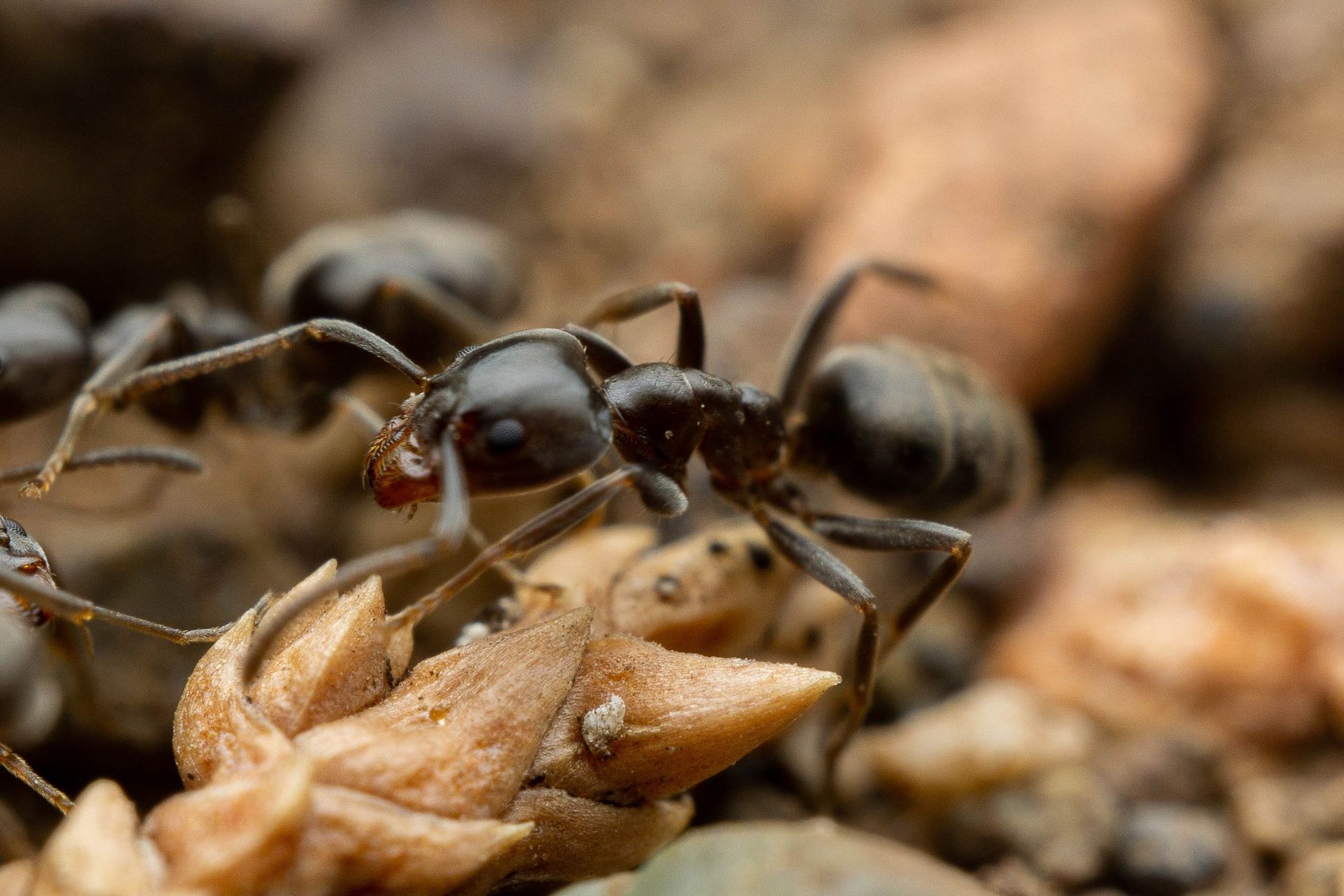
Liometopum luctuosum is a of velvety tree ant in the Dolichoderinae, found across western North America from British Columbia to central Mexico. This species is frequently misidentified as carpenter ants (Camponotus spp.) or odorous house ants (Tapinoma sessile) due to shared morphological and behavioral traits, leading to potential underreporting of its significance as a structural pest. Colonies are founded cooperatively by multiple queens (pleometrosis) and construct carton nests under rocks, logs, or at tree bases. are polymorphic and establish foraging trails exceeding 100 meters.

Pronunciation
How to pronounce Liometopum luctuosum: //laɪˌɒmɛˈtoʊpəm lʌkˈtjuːəsəm//
These audio files are automatically generated. While they are not always 100% accurate, they are a good starting point.
Identification
Distinguished from carpenter ants (Camponotus spp.) by subtle morphological differences despite shared polymorphic , smooth convex thoracic profile, and wood-excavating . Separated from Tapinoma sessile by traits beyond coloration and size, though these require careful examination. The odor is very similar to that of T. , complicating field identification.
Images
Appearance
are polymorphic, varying in size. The has a smooth convex profile. Coloration is similar to Tapinoma sessile.
Habitat
Inhabits pine, oak, Douglas fir, and juniper forests, sagebrush, and high-elevation riparian . Often strongly associated with pine trees. Found at elevations from 59 m to over 2400 m in southern latitudes, with typical occurrence above 2400 m in more southern parts of range.
Distribution
Western North America from British Columbia, Canada, south through California, Oregon, and Washington to central Mexico and western Texas. Range spans temperate to arid .
Seasonality
Reproductive observed flying in June and July. Foraging trails active at almost any hour due to protection from leaf litter cover.
Diet
. Feeds on honeydew secretions from hemipterans including aphids, membracids, and scale insects. Also consumes miscellaneous foods including meat, , fruit, and bread.
Host Associations
- Aphids - honeydew sourceFeeds on secretions
- Membracids - honeydew sourceFeeds on secretions
- Scale insects - honeydew sourceFeeds on secretions
Life Cycle
Colony foundation occurs through pleometrosis (cooperative foundation), with 2 to 40 fertile queens establishing a single colony. Foundation activities occur primarily at night. Division of labor among founding queens varies by colony; activities include care, oviposition, nest exploration, , and patrol. Queens with fewer cofounders (3 or fewer) spend more time on brood care, oviposition, and exploration, with decreased trophallaxis and patrol activity. Brood care remains the primary activity regardless of number.
Behavior
excavate wood, creating carton nests similar in structure to L. apiculatum. The is sequestered approximately 6–8 meters from the largest chamber, with nest chambers connected by galleries. Foraging trails extend over 100 meters, often running under leaf litter for protection. Trail establishment allows foraging at nearly any time of day.
Ecological Role
Tends hemipterans for honeydew, potentially influencing plant health and sap-feeding insect . Contributes to wood decomposition through nest excavation activities.
Human Relevance
Significant structural pest in California, Oregon, and Washington, though importance is likely underreported due to misidentification as carpenter ants or odorous house ants. Wood excavation can damage structures. Reproductives attracted to lights and collected near water bodies following .
Similar Taxa
- Camponotus spp.Shared polymorphic , smooth convex thoracic profile, and wood-excavating lead to frequent misidentification by homeowners and pest professionals
- Tapinoma sessileSame coloration, similar size, and with very similar odor cause confusion in identification
- Liometopum apiculatumSimilar carton nest structure
Misconceptions
Frequently misidentified as carpenter ants by pest management professionals, leading to potential underestimation of its economic impact as a structural pest in the western United States.
More Details
Taxonomic History
Originally described as Liometopum apiculatum subsp. luctuosum by Wheeler (1905) and Forel (1914). Reclassified as of Liometopum occidentale by Creighton (1950). Elevated to status by Wheeler & Wheeler (1986), confirmed by Mackay et al. (1988) and Del Toro, Pacheco & Mackay (2009).
Nest Structure
located 6–8 meters from primary chamber, an unusual spatial separation that may enhance queen protection.
Pleometrosis Variability
Division of labor among founding queens is not fixed; task allocation varies across colony foundation events, with some queens performing multiple activities and others specializing.