
Neodiprion taedae
Ross, 1955
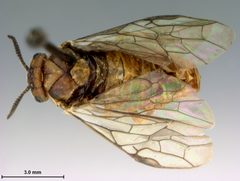
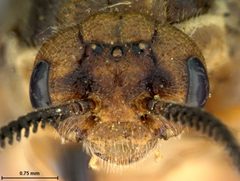
Neodiprion taedae is a in the Diprionidae, described by Ross in 1955. Like other members of the Neodiprion, it is a folivorous herbivore whose larvae feed on pine needles. The species is part of a diverse of conifer sawflies in eastern North America, where can cause significant defoliation of pine forests. It is one of approximately 25 Neodiprion species documented in eastern U.S. forests.

Pronunciation
How to pronounce Neodiprion taedae: /ˌniːoʊdaɪˈpraɪɒn ˈtaɪdiː/
These audio files are automatically generated. While they are not always 100% accurate, they are a good starting point.
Images
Host Associations
- Pinus taeda - epithet suggests association with loblolly pine; specific feeding records not confirmed in provided sources
Similar Taxa
- Neodiprion leconteiBoth are conifer sawflies in the same with similar larval and feeding habits on pine needles; N. lecontei is specifically associated with black pine, Scots pine, and Mugo pine
- Neodiprion comparCongeneric with similar as conifer folivore; included in same larval identification key
- Neodiprion maurusCongeneric with similar as conifer folivore; included in same larval identification key
- Neodiprion pinetumCongeneric with similar as conifer folivore; included in same larval identification key
- Neodiprion fabriciiCongeneric with similar as conifer folivore; included in same larval identification key
More Details
Taxonomic note
The specific epithet 'taedae' derives from Pinus taeda (loblolly pine), suggesting a association, though explicit feeding records were not found in the provided sources.
Data availability
This has minimal observational records (2 observations on iNaturalist as of source date) and lacks species-specific biological documentation in the provided literature, which focuses on better-known .