
Neodiprion excitans
Rohwer, 1921
Black-headed Pine Sawfly
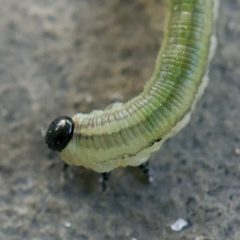
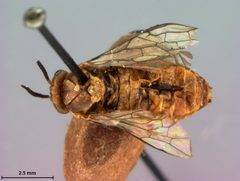
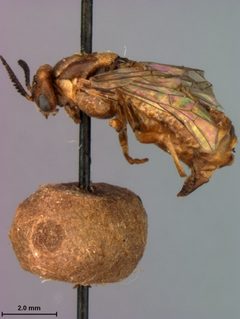
Neodiprion excitans, commonly known as the Black-headed Pine , is a conifer-feeding sawfly in the Diprionidae. It is native to eastern North America, with documented in North Carolina and surrounding regions. Like other members of its , it is a folivore that feeds on pine needles and can cause significant defoliation during conditions. The has been studied for its and ecological interactions in pine forest .
Pronunciation
How to pronounce Neodiprion excitans: /ˌniːoʊˈdɪpriən ɪkˈsaɪtænz/
These audio files are automatically generated. While they are not always 100% accurate, they are a good starting point.
Images
Habitat
Pine forests, primarily in natural and managed conifer stands. Associated with Pinus .
Distribution
Eastern North America; documented in North Carolina and surrounding regions.
Diet
Pine needles (foliage of Pinus ).
Host Associations
- Pinus - Primary ; specific pine associations not documented in available sources.
Ecological Role
Herbivore in pine forest ; serves as food source for birds and natural enemies. During conditions, can function as a significant defoliator affecting forest health.
Human Relevance
Can cause defoliation of pine trees in managed and natural forests. Management typically relies on natural enemy ; chemical intervention rarely required.
Similar Taxa
- Neodiprion leconteiBoth are pine-feeding in the same with similar ecological roles and preferences. N. lecontei is distinguished by its red in larval stages, while N. excitans has a black head.
- Neodiprion comparCongeneric pine with overlapping distribution and range; larval coloration patterns differ.
- Neodiprion maurusCongeneric found in similar pine forest ; requires larval morphological examination for separation.
- Neodiprion pinetumCongeneric pine with similar ; identification relies on larval characteristics.
- Neodiprion fabriciiCongeneric sharing pine and eastern North American distribution; distinguished by larval features.
Sources and further reading
- BugGuide
- GBIF taxonomy match
- iNaturalist taxon
- NCBI Taxonomy
- Crazy redheads - Redheaded pine sawfly, Neodiprion lecontei(MISSING VIDEO AND LINKS) — Bug of the Week
- What's Eating Your Pine Needles? Sawflies, Probably
- Conifer sawfly larva - Entomology Today
- Notes on the Biology of Neodiprion excitans in North Carolina1
- Ecology of the Pine Sawfly, Neodiprion excitans (Rohwer) (Hymenoptera, Diprionidae)