
Loxaulus
Mayr, 1881
Species Guides
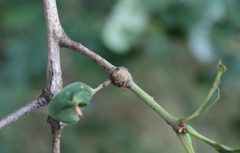
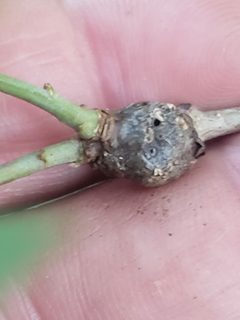
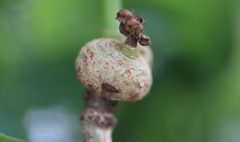
2Loxaulus is a of gall wasps in the Cynipidae, tribe Cynipini. Members are small, specialized insects that induce the formation of plant galls on plants. The genus was established by Mayr in 1881. As with other cynipine gall wasps, likely exhibit complex involving alternating sexual and on different host plants, though detailed studies remain limited.
Pronunciation
How to pronounce Loxaulus: /lɔkˈsaʊlʊs/
These audio files are automatically generated. While they are not always 100% accurate, they are a good starting point.
Identification
Loxaulus can be distinguished from other Cynipini by specific morphological features of the , mesosoma, and metasoma. Diagnostic characters include the structure of the antennal segments and the form of the pronotum. Precise identification to species level requires examination of gall on known plants and detailed morphological study of specimens.
Images
Habitat
correspond to those of their plants, which are oaks (Quercus ). Found in oak woodlands, forests, and savannas where suitable host species occur.
Distribution
Distribution follows that of oaks in the Northern Hemisphere. Records indicate presence in Europe and potentially Asia, with distribution limited by the range of associated Quercus .
Seasonality
timing depends on the specific pattern of each . Sexual adults typically appear in spring, while generation adults emerge in late summer to autumn. Exact timing varies by species and geographic location.
Host Associations
- Quercus - plantGall induction on oak
Life Cycle
As a member of Cynipini, Loxaulus likely exhibits heterogony, with alternating sexual and parthenogenetic that may produce structurally different galls on different plant tissues. Sexual generation galls are typically formed on leaves or buds, while asexual generation galls may occur on roots, stems, or leaves. Specific details for Loxaulus remain incompletely documented.
Behavior
females oviposit into plant tissue, inducing gall formation. Larvae develop within the protective gall structure. Adults are short-lived and do not feed extensively.
Ecological Role
Induces plant galls, creating microhabitats that support a of , , and hyperparasitoids. Contributes to nutrient cycling and complexity in oak .
Human Relevance
No direct economic importance. Of interest to entomologists studying gall wasp diversity and evolution. Galls may occasionally be noticed by naturalists and collectors.
Similar Taxa
More Details
Taxonomic Note
Loxaulus is a relatively small within the speciose tribe Cynipini. -level has been historically challenging due to the complexity of cynipine and the need to associate sexual and .