
Cynips
Linnaeus, 1758
oak gall wasps
Species Guides
3- Cynips conspicuus(Fuzzy Gall Wasp)
- Cynips mirabilis(Speckled Gall Wasp)
- Cynips multipunctata(Gray Midrib Gall Wasp)
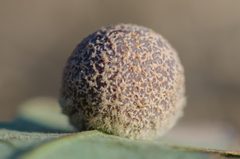
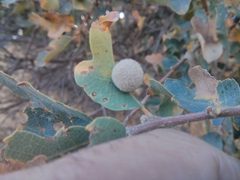
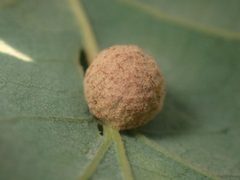
Cynips is a of gall wasps comprising approximately 39 , all associated with oak trees (Quercus spp.). The genus includes the well-known common oak gall wasp (C. quercusfolii), which induces spherical galls on oak leaf undersides. Species in this genus exhibit heterogony, alternating between sexual and that typically produce morphologically distinct galls. The genus was established by Linnaeus in 1758 and remains taxonomically stable, though some former members (such as Antron) have been reinstated as separate genera.
Pronunciation
How to pronounce Cynips: /ˈsɪnɪps/
These audio files are automatically generated. While they are not always 100% accurate, they are a good starting point.
Identification
Members of Cynips are distinguished from related by their specific gall morphologies on oaks and their placement in the tribe Cynipini. The genus can be separated from the resurrected genus Antron by taxonomic characters not specified in available sources. -level identification requires examination of gall structure, location on plant, and microscopic features of the themselves.
Images
Habitat
Associated with oak forests and woodlands; galls form on leaves, buds, flowers, and young branches of oak trees. Specific conditions include humus-rich soils in full sunlight to light shade, as documented in Polish oak-pine forests aged 5–25 years.
Distribution
Europe; documented in Poland, Denmark, and Norway. The occurs wherever its primary , Quercus robur, is present.
Seasonality
Two annually: sexual generation galls occur in spring and early summer; (agamic) generation galls develop in late summer and fall (July–September).
Diet
Larvae feed exclusively on gall nutritive tissue, which contains dense with elevated protein synthesis capacity. Galls accumulate exceptionally high concentrations of phenolic compounds including gallic acid, tannic acid, and ellagic acid, with tannins comprising 50–70% of gall dry weight.
Host Associations
- Quercus robur L. - primary English oak; galls form on leaves, buds, flowers, young branches; highly specific monophagous association
Life Cycle
Heterogonic with alternating sexual and . Females oviposit into oak tissue, inducing gall formation through secretions that stimulate proliferation and redifferentiation. Larvae develop within galls, which provide both shelter and nutrition. Asexual generation galls were sampled July–September in studied .
Behavior
Gall induction involves localized manipulation of plant development, with larvae secreting compounds that cause layer differentiation and intensive biosynthesis of defense compounds. Each produces galls with species-specific preserved even when multiple species occur on the same leaf. The interaction triggers oxidative stress in the host, with upregulation of antioxidant compounds extending beyond infected tissues to flowers, acorns, and other plant parts.
Ecological Role
Induces complex biochemical and structural modifications in oak tissues, representing a model system for plant-insect interaction studies. Gall formation alters host secondary metabolite production, creating microhabitats with pharmacologically significant compound concentrations. The parasitic relationship drives changes in host physiology including reactive oxygen production and antioxidant upregulation.
Human Relevance
Galls have historical and potential commercial value due to high tannin content (50–70% dry weight) used in tanning, ink production, and traditional medicine. The biochemical profile of C. quercusfolii galls, with exceptionally high phenolic compound concentrations, has attracted pharmacological and industrial research interest.
Similar Taxa
- AntronFormerly included within Cynips but recently resurrected as distinct ; separation based on taxonomic characters not detailed in available sources
- NeuroterusRelated oak gall wasp ; Cynips distinguished by gall and location—C. quercusfolii produces spherical leaf galls while Neuroterus such as N. numismalis and N. saltatorius (formerly Cynips saltatorius) produce different gall forms
Sources and further reading
- BugGuide
- Wikipedia
- GBIF taxonomy match
- iNaturalist taxon
- NCBI Taxonomy
- Catalogue of Life
- The Influence of Cynips quercusfolii on the Content of Biofunctional Plant Metabolites in Various Morphological Parts of Quercus robur.
- Structure and Ultrastructure of Three Oak Leaf Galls: Cynips quercusfolii L., Neuroterus numismalis Geoffroy and Cynips longiventris Hartig.