
Kokkocynips difficilis
(Ashmead, 1887)
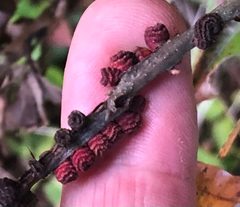
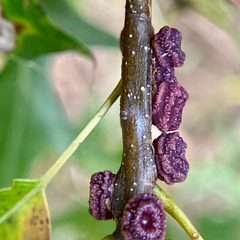
Kokkocynips difficilis is a of gall wasp in the Cynipidae, originally described by Ashmead in 1887 as Andricus difficilis. It belongs to the tribe Cynipini, which comprises gall-inducing associated with oaks (Quercus spp.). The Kokkocynips was established relatively recently (2021) following taxonomic revision of the oak gall wasps. Like other members of this genus, K. difficilis likely induces galls on oak species, though specific associations and gall remain poorly documented in the available literature.
Pronunciation
How to pronounce Kokkocynips difficilis: /ˌkɒkoʊˈsɪnɪps dɪˈfɪsɪlɪs/
These audio files are automatically generated. While they are not always 100% accurate, they are a good starting point.
Identification
The Kokkocynips was separated from related genera based on molecular phylogenetic analysis and morphological characters. -level identification within Kokkocynips requires examination of morphological features and gall characteristics. K. difficilis can be distinguished from by the combination of its original description as Andricus difficilis and its subsequent placement in Kokkocynips based on phylogenetic analysis. Detailed diagnostic characters for this species are not readily available in the accessible literature.
Images
Habitat
As a member of the tribe Cynipini, this is associated with oak-dominated . The specific habitat preferences of K. difficilis have not been documented separately from those of its oaks.
Distribution
The original description was based on material from an unspecified locality. The current known distribution of K. difficilis has not been mapped in detail in the available literature. GBIF records indicate observations from multiple locations, though specific geographic range boundaries are not established.
Host Associations
- Quercus spp. - gall inductionInferred from tribal placement in Cynipini; specific oak for K. difficilis not documented in available sources.
Ecological Role
As a gall-inducing cynipid , this likely functions as a herbivore on oaks, creating plant galls that provide and food resources for other organisms. The galls may serve as microhabitats for and , contributing to local biodiversity.
Human Relevance
No direct economic or agricultural significance has been documented for this . Like many oak gall wasps, it may be of interest to naturalists and researchers studying plant-insect interactions and gall biodiversity.
Similar Taxa
- Andricus spp.K. difficilis was originally described as Andricus difficilis; the Kokkocynips was separated from Andricus based on molecular phylogenetic analysis. may be superficially similar, requiring careful examination or molecular data for identification.
- Other Kokkocynips species within the recently established Kokkocynips share similar and associations; boundaries are based on subtle morphological differences and phylogenetic data.
More Details
Taxonomic History
This was originally described by William Harris Ashmead in 1887 as Andricus difficilis. It was transferred to the newly established Kokkocynips in 2021 by Nieves-Aldrey et al. as part of a comprehensive revision of oak gall wasp based on integrated morphological and molecular data.
Research Needs
Basic natural history information for this is lacking, including specific oak species, gall and location on the plant, , and detailed geographic distribution. Field studies documenting these aspects would significantly improve understanding of this species.
Sources and further reading
- BugGuide
- GBIF taxonomy match
- iNaturalist taxon
- NCBI Taxonomy
- Honey Locust Borer | Beetles In The Bush
- Buprestidae | Beetles In The Bush | Page 9
- taxonomy | Beetles In The Bush | Page 4
- jewel beetles | Beetles In The Bush | Page 8
- During Quarantine, an Entomologist Takes a Closer Look at a New Invasive Ant Species