Druon
Kinsey, 1937
Species Guides
6Druon is a of cynipid gall wasps re-established in 2021, containing 15 Nearctic that induce galls on oak trees (Quercus). Most species are known only from , though two species (D. ignotum and D. quercuslanigerum) have documented alternating sexual and asexual generations. The genus was previously synonymized under Andricus but restored based on morphological and molecular evidence. Species are characterized by woolly galls and specific metasomal sculpturing patterns.
Pronunciation
How to pronounce Druon: //ˈdruː.ɒn//
These audio files are automatically generated. While they are not always 100% accurate, they are a good starting point.
Identification
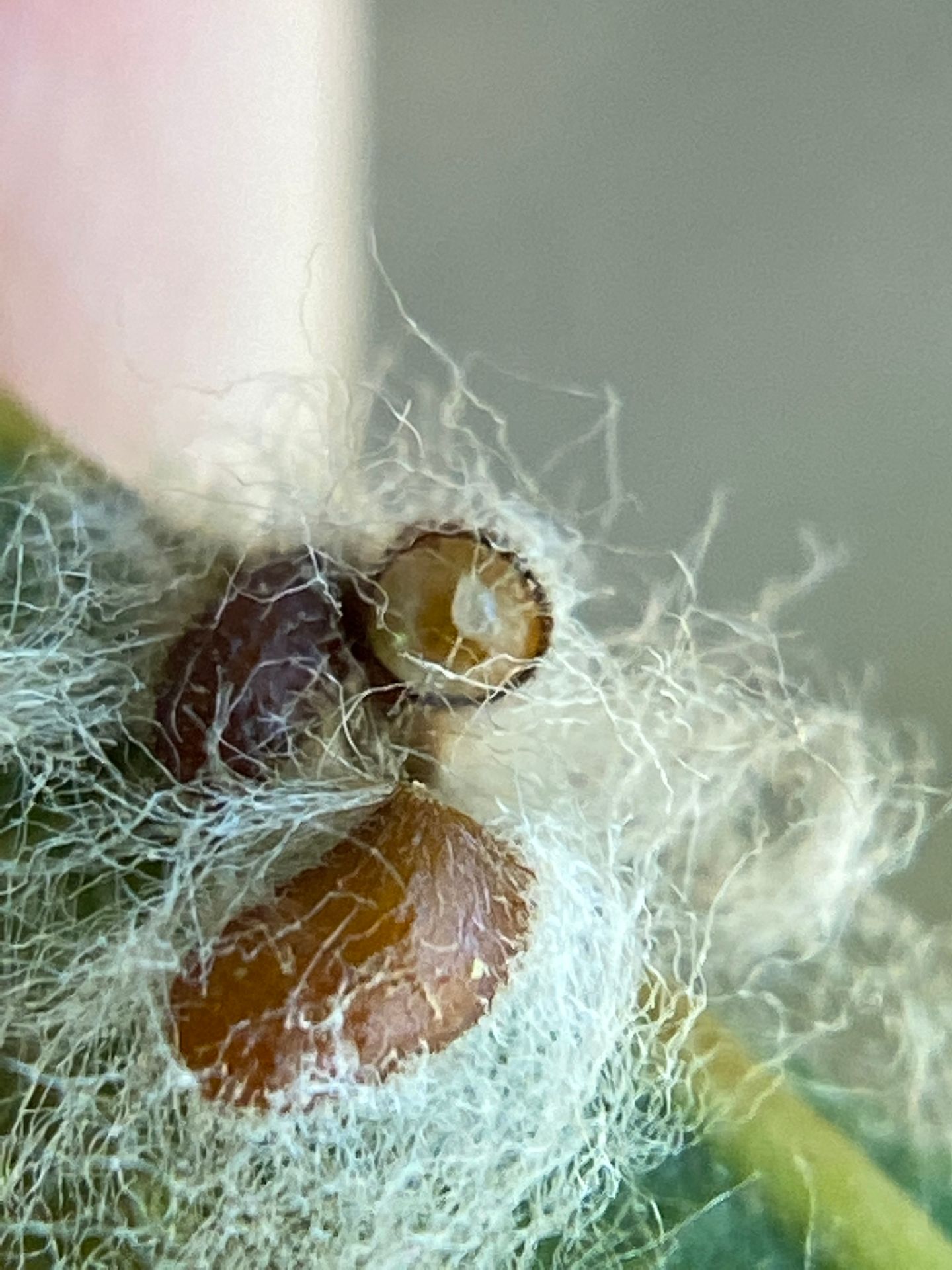
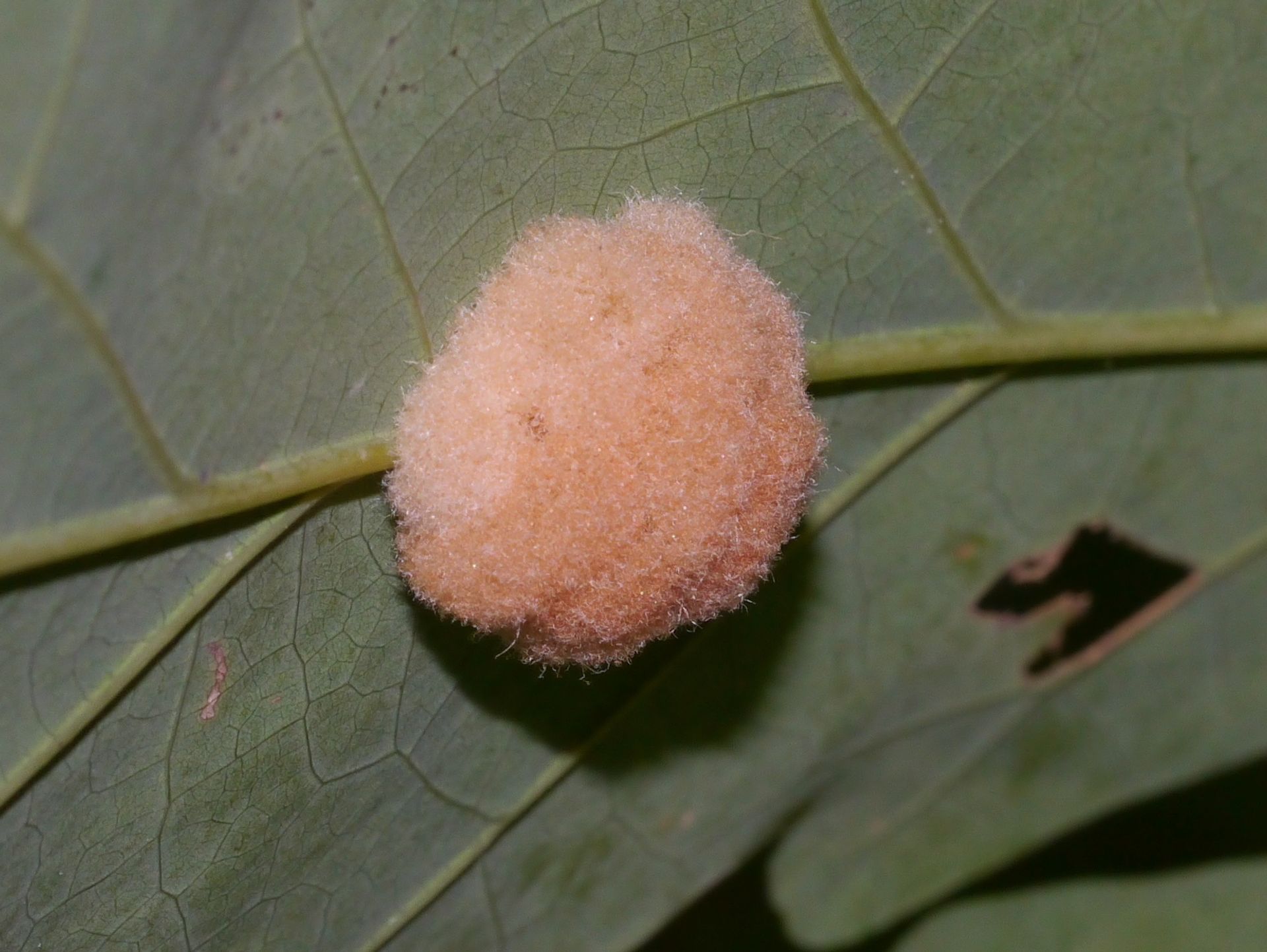
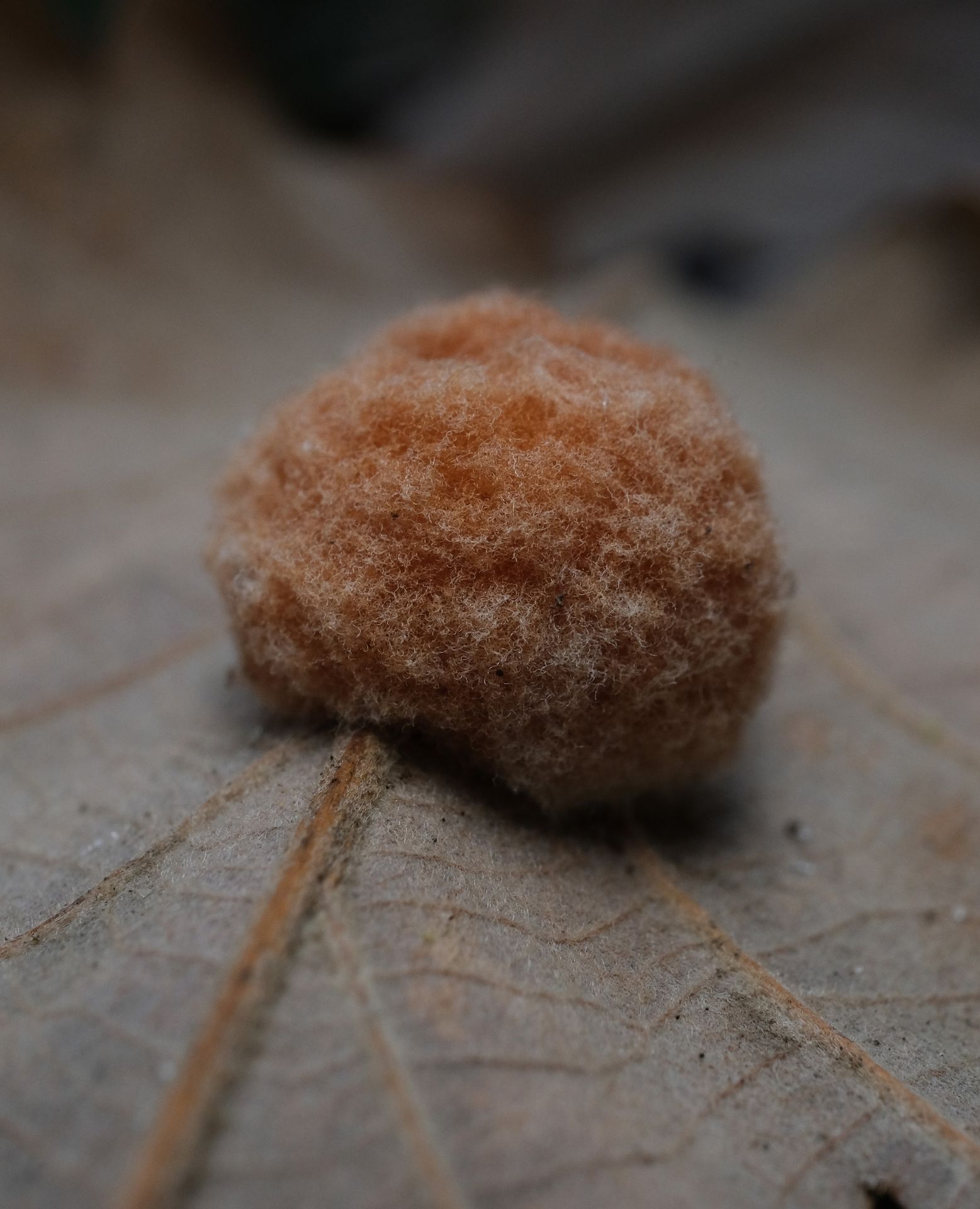
Druon produce woolly or flocculent galls on oaks, distinguishing them from many other cynipid . The genus is separated from Andricus by metasomal sculpturing patterns, particularly striato-reticulated (finely lined and net-like) surface texture on the . Species-level identification requires examination of gall , oak species, and detailed morphological characters including , tergite structure, and genitalia.
Images
Habitat
Oak-dominated forests and woodlands where Quercus occur. Gall formation occurs on various oak tissues including leaves, buds, and twigs.
Distribution
Nearctic region, including United States, Canada, and Mexico. GBIF records indicate additional occurrences in northern Europe (Denmark, Norway, Sweden), though these may represent introduced or taxonomic revisions pending confirmation.
Host Associations
- Quercus - gall inductionAll induce galls on oak trees; specific associations vary by species
Life Cycle
Complex heterogonic cycle with alternating in some . Most Druon species (13 of 15) are known only from (parthenogenetic) generations that produce galls on oaks. Two species, D. ignotum and D. quercuslanigerum, have confirmed alternating sexual and asexual generations with distinct gall morphologies between generations.
Behavior
Induces characteristic woolly or flocculent galls on oak plants. The gall structure provides protected development sites for larval . wasps emerge from mature galls to disperse and locate new host tissue for oviposition.
Ecological Role
Gall-former that modifies oak tissue development, creating novel microhabitats used by other organisms. Galls may serve as food sources for gall- and , contributing to local complexity in oak .
Similar Taxa
- AndricusHistorically included Druon ; distinguished by metasomal sculpturing patterns and gall . Andricus species typically lack the dense woolly gall covering characteristic of Druon.
- StriatoandricusShares striato-reticulated metasomal sculpturing; four Andricus with woolly galls and this sculpturing pattern were transferred to Striatoandricus rather than Druon in the 2021 revision, indicating close morphological similarity requiring careful examination.
More Details
Taxonomic history
Originally described by Kinsey in 1937, Druon was synonymized under Andricus for much of the 20th century. The 2021 revision by Melika, Nicholls, Stone, and Pujade-Villar re-established Druon as a valid based on morphological and molecular data, transferring 10 from Andricus and describing 5 new species.
Gall characteristics
The woolly or flocculent gall texture is a diagnostic feature of the , though this trait has evolved convergently in related lineages. Gall varies among and between in heterogonic species.