Druon quercusflocci
(Walsh, 1864)
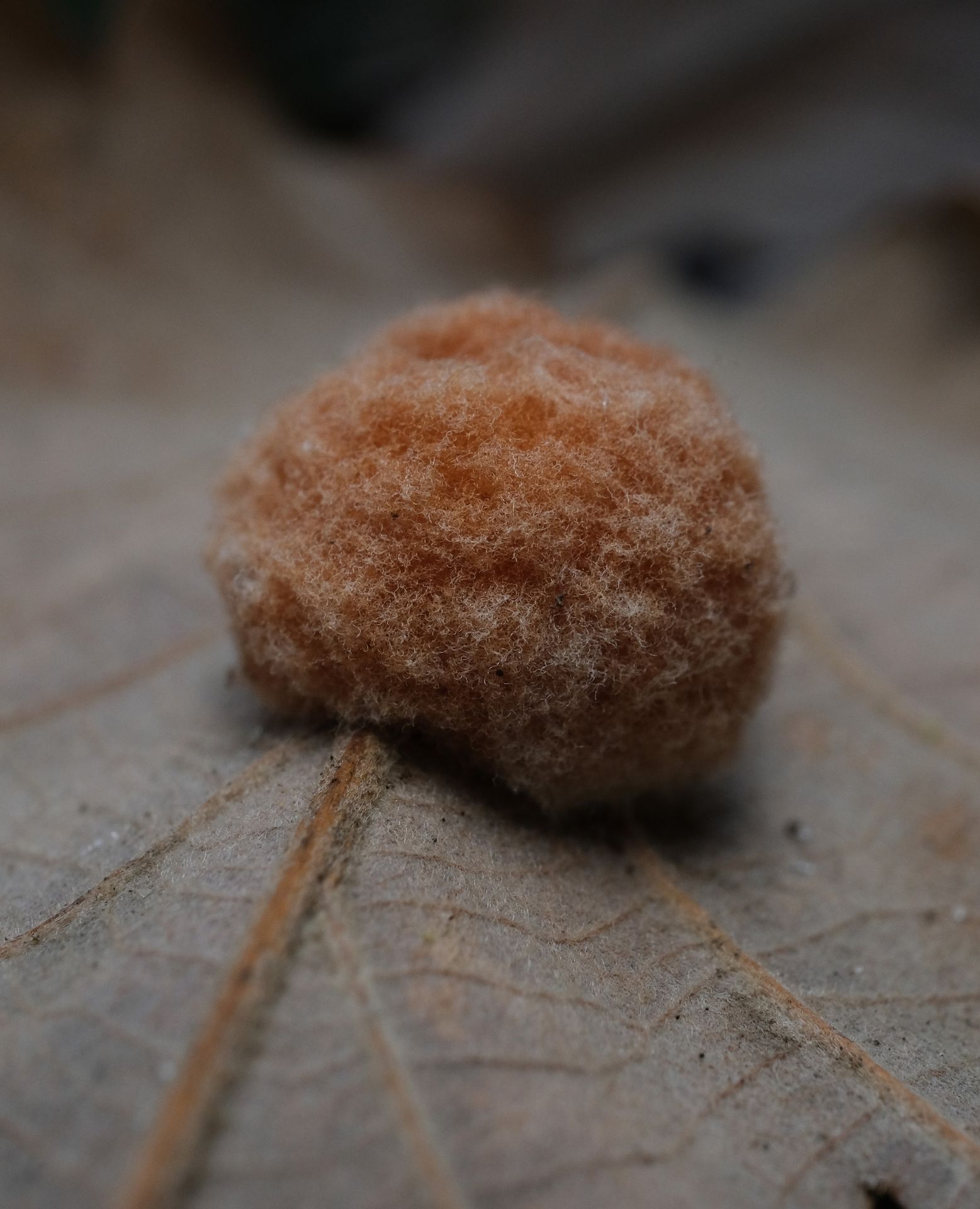
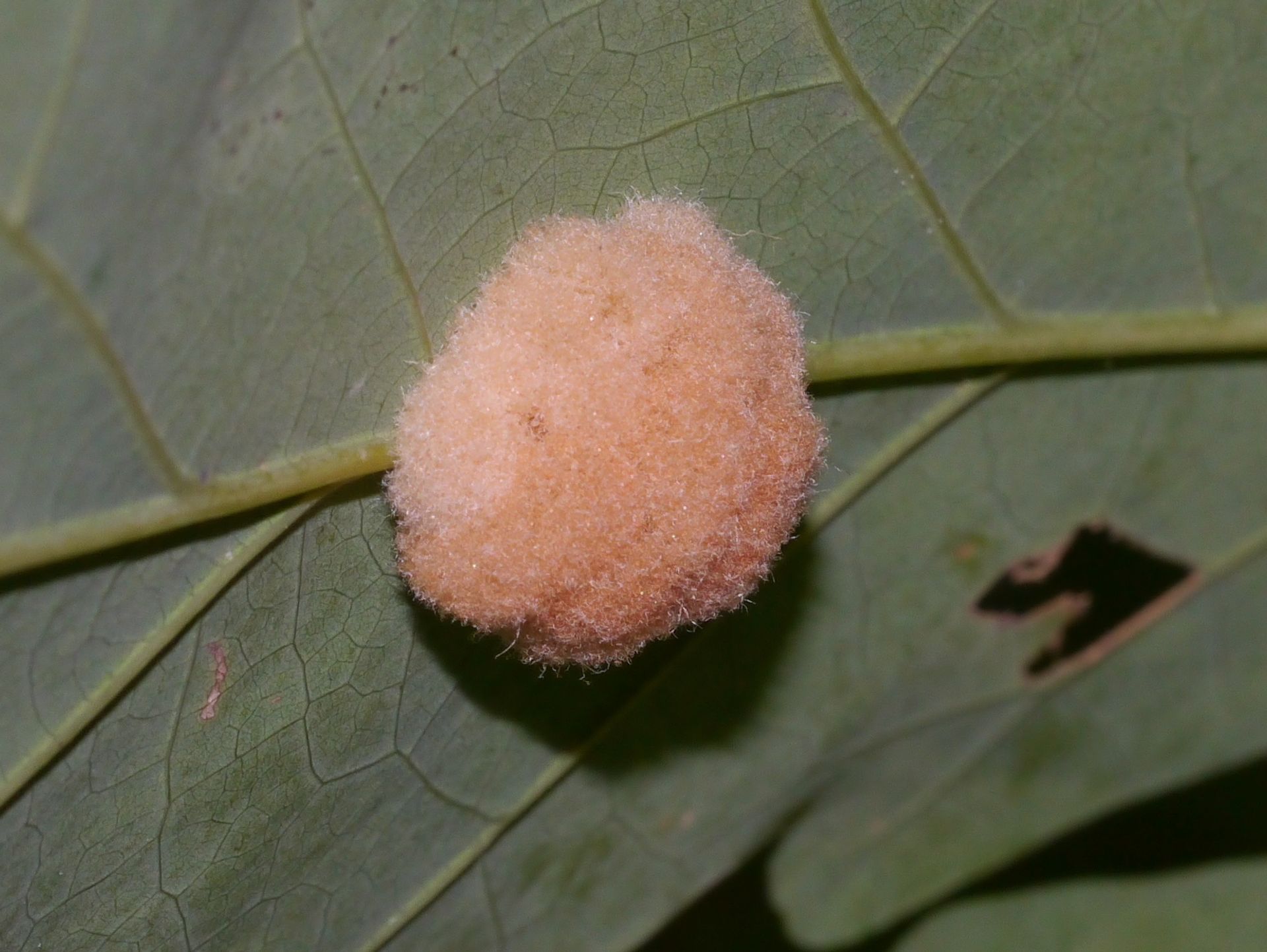
Druon quercusflocci is a Nearctic cynipid gall wasp that induces galls on oak trees (Quercus). The was originally described by Walsh in 1864 as Cynips quercus flocci, later placed in Andricus, and transferred to the re-established Druon in 2022. It is known only from its ; no sexual generation has been documented.
Pronunciation
How to pronounce Druon quercusflocci: /ˈdɹuːɔn ˌkwɛrkuːsˈflɒkaɪ/
These audio files are automatically generated. While they are not always 100% accurate, they are a good starting point.
Identification
As a member of Druon, this can be distinguished from the related genus Andricus by morphological features detailed in the 2022 revision, including characteristics of the metasoma. Specific diagnostic traits for D. quercusflocci relative to other Druon species require examination of the original description and redescriptions provided in Cuesta-Porta et al. (2022).
Images
Habitat
Associated with oak-dominated environments where Quercus occur.
Distribution
Nearctic region; specific distribution details not stated in available sources.
Host Associations
- Quercus - gall inducer confirmed; specific oak not documented in available sources.
Life Cycle
Known only from . No sexual generation has been observed or described.
Ecological Role
Gall inducer on oaks. Creates plant galls that may provide microhabitats for other organisms.
Similar Taxa
- Druon quercuslanigerumBoth are Nearctic Druon associated with oaks, but D. quercuslanigerum has a known alternating sexual while D. quercusflocci does not.
- Andricus speciesPreviously classified in Andricus; distinguished by morphological features of the metasoma and other characters defining the re-established Druon.
More Details
Taxonomic History
Originally described as Cynips quercus flocci by Walsh in 1864. Transferred to Andricus as A. quercusflocci, then moved to Druon quercusflocci when the was re-established in 2022 by Cuesta-Porta, Melika, Nicholls, Stone & Pujade-Villar.
Research Needs
The sexual remains unknown. specificity has not been documented.