
Callirhytis pulchra
(Bassett, 1890)
Callirhytis pulchra is a of gall wasp in the Cynipidae, first described by Bassett in 1890. Like other members of its , this species induces distinctive galls on oak trees (Quercus spp.). The species exhibits the complex typical of Cynipidae, often involving alternating sexual and that produce different gall types on different plant tissues. As an oak , it contributes to the remarkable diversity of gall-forming insects associated with this tree genus in North America.
Pronunciation
How to pronounce Callirhytis pulchra: //kælɪˈraɪtɪs ˈpʊlkra//
These audio files are automatically generated. While they are not always 100% accurate, they are a good starting point.
Identification
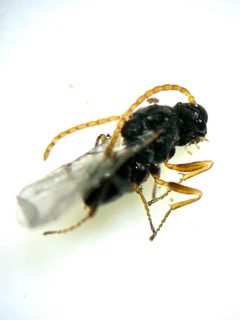
Callirhytis pulchra can be distinguished from other Callirhytis by the specific of the galls it induces on oak . The species name "pulchra" (Latin for "beautiful") suggests distinctive gall characteristics, though specific diagnostic features require examination of the gall structure, location on the host plant, and seasonal timing. are minute, with reduced wing venation typical of the Cynipidae. Accurate identification to species level typically requires examination of the gall morphology combined with host plant identity and collection data.
Images
Distribution
Callirhytis pulchra has been recorded in North America, with observations documented in the United States. The is associated with oak-dominated where its plants occur.
Diet
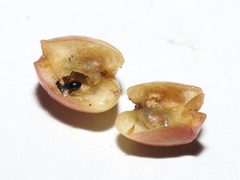
Larvae feed on nutritive plant tissues within the gall, which the induces through chemical secretions that redirect plant development. The larva consumes specialized nutritive proliferated by the plant within the gall chamber.
Host Associations
- Quercus - gall induceroak ; specific species not confirmed in available sources
Life Cycle
Like other Cynipidae, Callirhytis pulchra likely exhibits a complex involving alternating . The sexual generation typically produces galls on oak leaves, while the (parthenogenetic) generation produces structurally different galls on twigs or other plant tissues. Development occurs entirely within the gall, with the larva transforming to pupa and then within a protected larval chamber. The adult emerges by chewing through the gall tissue using specialized .
Behavior
females induce gall formation through oviposition and subsequent chemical manipulation of plant tissues. The larva develops in relative safety within the gall, which provides both nutrition and protection from environmental hazards and many natural enemies.
Ecological Role
As a gall inducer, Callirhytis pulchra functions as a herbivore that manipulates plant development for its own benefit. The galls provide for a of associated organisms, including (guest organisms) and . The galls may also serve as food resources for vertebrate and .
Similar Taxa
- Callirhytis quercuspunctataBoth are oak-galling Callirhytis with potentially overlapping ranges; distinguished by gall and specificity
- Callirhytis quercuscornigeraAnother oak-galling that produces distinctive horned galls; C. pulchra galls differ in structure and lack the characteristic horns
- Antistrophus spp.Gall wasps in related that induce stem galls on Silphium and other Asteraceae rather than oaks; plant provides primary distinction