
Antistrophus jeanae
Tooker & Hanks, 2004
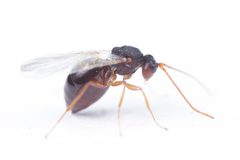
Antistrophus jeanae is a gall wasp in the Cynipidae, described in 2004 by Tooker and Hanks. Like other members of the Antistrophus, this is likely associated with specific plants in the Asteraceae family, though detailed natural history information remains limited. The species is known from a small number of observations, suggesting it may be relatively rare or underreported. It belongs to a genus characterized by stem-galling habits on composite plants.
Pronunciation
How to pronounce Antistrophus jeanae: /ænˈtɪstrofəs ˈdʒiːn.aɪ/
These audio files are automatically generated. While they are not always 100% accurate, they are a good starting point.
Identification
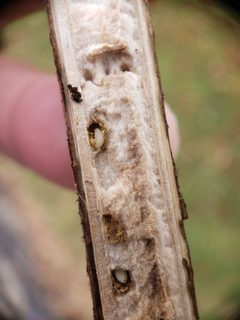
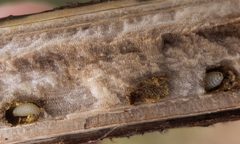
Antistrophus jeanae can be distinguished from primarily by morphological features described in the original description (Tooker & Hanks, 2004). Within the Antistrophus, species identification typically requires examination of , gall characteristics, and plant association. The species name honors an individual (Jeana), following the etymological convention of the specific epithet. Accurate identification generally requires taxonomic knowledge of Cynipidae and reference to or detailed original descriptions.
Images
Distribution
The has been documented in the United States based on iNaturalist observations, though specific range details beyond these scattered records are not well established. The type locality and precise geographic distribution require reference to the original description.
Similar Taxa
- Antistrophus lygodesmiaepisumClosely related that also forms stem galls on Asteraceae ; distinguished by host plant specificity (Lygodesmia juncea versus likely different host for A. jeanae) and morphological differences in the
- Antistrophus silphiiAnother congeneric stem-gall wasp on Asteraceae (Silphium integrifolium); similar gall and , but distinct association and morphology
More Details
Taxonomic recency
Described in 2004, making it one of the more recently described in the Antistrophus. This recency contributes to the limited natural history information available in standard references.