
Eucerceris
Cresson, 1865
weevil wasps
Species Guides
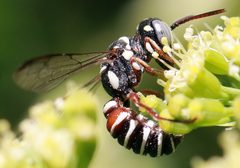
12Eucerceris is a of solitary in the Crabronidae, containing over 40 described . These wasps are commonly known as 'weevil wasps' due to their specialized predatory relationship with weevils (Curculionidae). The genus has been subject of taxonomic study by including George R. Ferguson, who completed work on the group begun by Herm Scullen. Species are found in North America and are active during warm months when their prey is available.

Pronunciation
How to pronounce Eucerceris: //juːsərˈsɛrɪs//
These audio files are automatically generated. While they are not always 100% accurate, they are a good starting point.
Identification
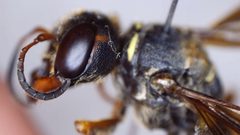
Eucerceris can be distinguished from the closely related Cerceris by subtle morphological differences in genitalia and other structural features that require expert examination. Both genera are weevil-hunting in the tribe Cercerini. Definitive identification to level typically requires reference to specialized taxonomic literature and comparison with .
Images
Habitat
Observed in association with flowering trees and shrubs, particularly Tamarix (saltcedar), where visit flowers for nectar. The require where both nectar sources and weevil prey are available.
Distribution
North America; precise range varies by .
Seasonality
Active during warm months; observed at flowers in June and presumably through summer when prey weevils are active.
Diet
feed on nectar from flowers. Larvae are provisioned with paralyzed weevils (Curculionidae) as food.
Life Cycle
Solitary with typical crabronid development: females construct nests in soil, capture and paralyze weevil prey, and provision nest for larval development. Specific details of nest architecture and developmental timing vary among and are not comprehensively documented.
Behavior
Males have been observed establishing and defending territories around flowering shrubs where females seek nectar. Females hunt weevils as prey for nest provisioning.
Ecological Role
of weevils (Curculionidae), potentially contributing to regulation of weevil . may function as while visiting flowers for nectar.
Human Relevance
No direct economic importance documented. Of interest to entomologists studying and prey specialization.
Similar Taxa
- CercerisClosely related in the same tribe Cercerini; also hunts weevils. Distinguished by subtle morphological differences requiring expert examination.
- PhilanthusRelated beewolf in the same Philanthinae, but specialized on bees rather than weevils as prey.
More Details
Taxonomic history
Originally placed in Sphecidae; now classified in Crabronidae following phylogenetic revisions of .
Research significance
Subject of monographic treatment; taxonomic work on this was completed by George R. Ferguson, building on earlier studies by Herm Scullen.