
Oxybelus uniglumis
(Linnaeus, 1758)
square-headed wasp
Oxybelus uniglumis is a solitary digger wasp in the Crabronidae, tribe Oxybelini. The is specialized for hunting flies (Diptera), capturing them with an extremely concentrated stinging pattern that targets the prey's . Unlike many related that deliver multiple stings to thoracic ganglia, O. uniglumis typically delivers only a single thoracic sting behind one foreleg base, reflecting the reduced ganglionic structure of fly prey. The species uses its sting apparatus not only for prey paralysis but also for transporting captured flies to nest sites.
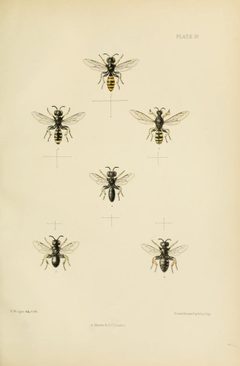
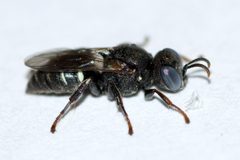
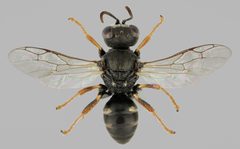
Pronunciation
How to pronounce Oxybelus uniglumis: /ˌɑksɪˈbiːləs ˌjuːnɪˈɡluːmɪs/
These audio files are automatically generated. While they are not always 100% accurate, they are a good starting point.
Images
Distribution
Europe; Northern Asia (excluding China); Southern Asia
Diet
flies (Diptera)
Behavior
Hunts and captures flies using a specialized, extremely concentrated stinging pattern targeting the prey . Delivers typically only one thoracic sting behind one foreleg base, rather than the multiple stings seen in Orthoptera-hunting relatives. Uses the sting apparatus for prey carriage to transport captured flies to nest sites. Males have been observed establishing and defending territories around nectar sources where females forage.
Similar Taxa
- Other Oxybelus speciesShare the -level trait of reduced stinging sequence for fly hunting, but may differ in specific morphological details of the sting apparatus
- Orthoptera-hunting sphecid wasps (e.g., Ammophila, Prionyx)Deliver multiple paralyzing stings (typically four: one per thoracic segment plus one to the neck) to prey with more complex , contrasting with the single-sting approach of O. uniglumis
More Details
Sting apparatus morphology
Oxybelus uniglumis exhibits unique morphological adaptations related to its prey-carriage : (1) possesses a single (rather than double) valvillus, unique among known ; (2) lacks distinct borders between the rostral process and 2nd valvula, allowing stronger of the valvula to basal sting elements; (3) shows intraspecific variation in internal sting skeleton structure, a phenomenon not previously documented in Hymenoptera
Sources and further reading
- BugGuide
- Wikipedia
- GBIF taxonomy match
- iNaturalist taxon
- NCBI Taxonomy
- Catalogue of Life
- Bug Eric: Wasp Wednesday: The Wasp Tree Part II
- Morphology of the sting apparatus of the digger wasp Oxybelus uniglumis (Linnaeus, 1758) (Hymenoptera, Crabronidae), with emphasis on intraspecific variability and behavioural plasticity
- Digger wasp predatory behavior (Hymenoptera, Sphecidae): fly hunting and capture by Oxybelus uniglumis (Crabroninae: Oxybelini); a case of extremely concentrated stinging pattern and prey nervous system