Epeolus olympiellus
Cockerell, 1904
Olympia Cellophane-cuckoo Bee
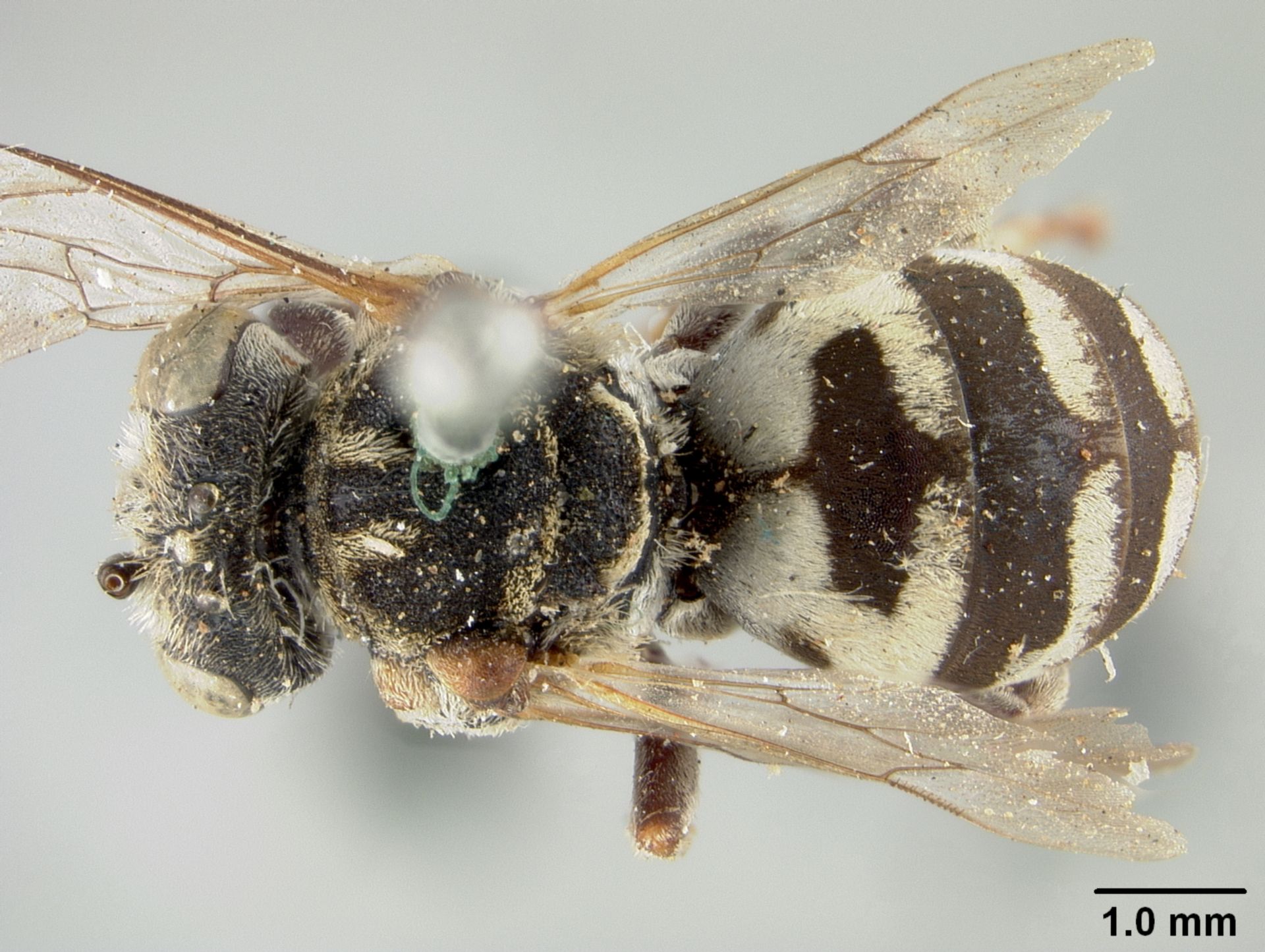
Epeolus olympiellus is a cleptoparasitic (cuckoo) in the Apidae. Like other members of its , it invades the nests of polyester bees (genus Colletes) to lay its , with the resulting larvae killing the 's offspring and consuming the stored pollen. The is found in North America and was described by Cockerell in 1904.
Pronunciation
How to pronounce Epeolus olympiellus: /ɛˈpiːoʊləs oʊˌlɪmpiˈɛləs/
These audio files are automatically generated. While they are not always 100% accurate, they are a good starting point.
Identification
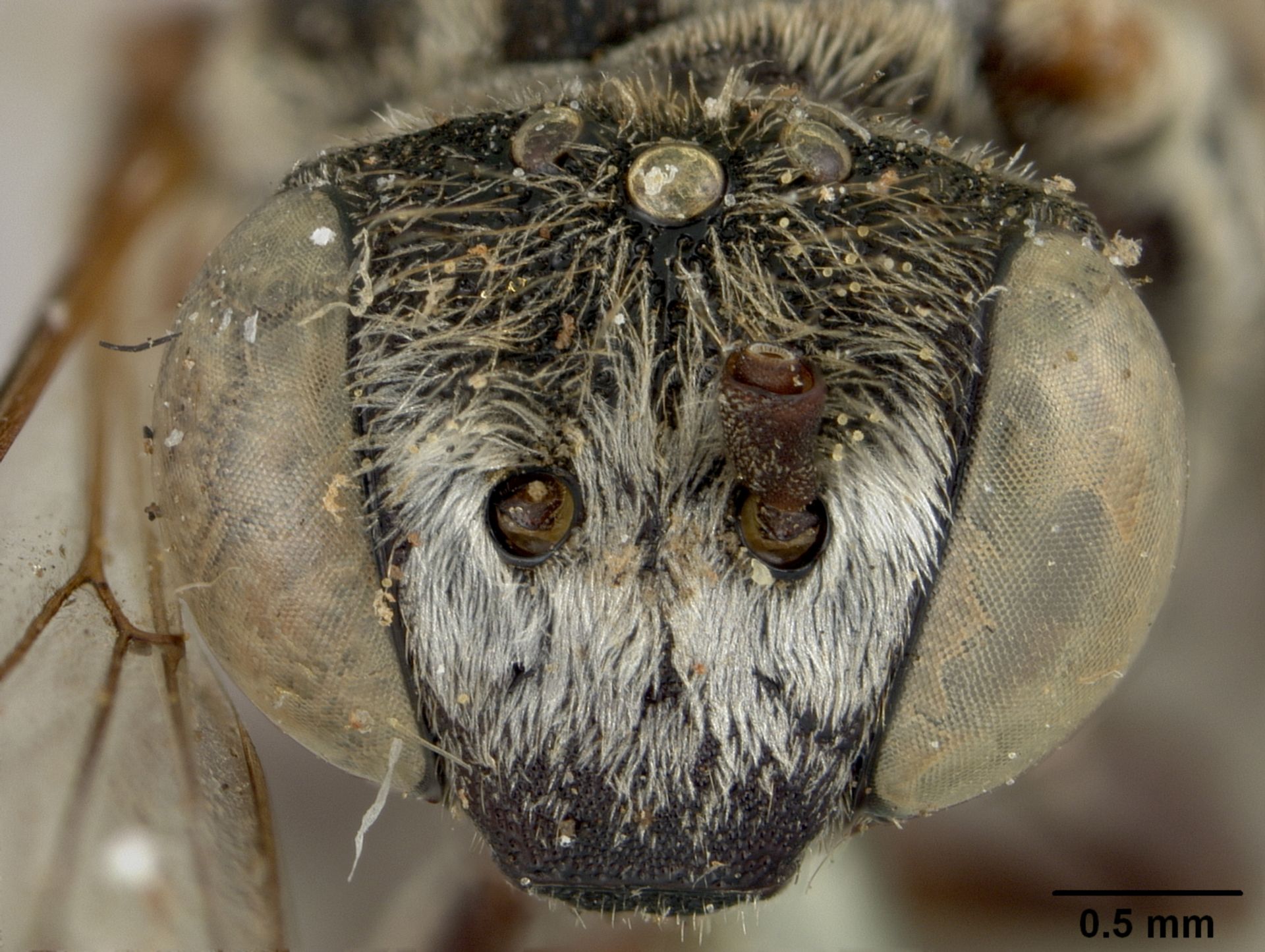
Epeolus olympiellus can be distinguished from other Epeolus by specific morphological features, though detailed diagnostic characters for this particular species are not well documented in available sources. The Epeolus as a whole can be recognized by its cuckoo bee : reduced body hair, -like appearance, and color patterns of short black, white, red, and yellow hairs. Definitive identification to species level typically requires examination of genitalic structures and comparison with .
Images
Appearance
As a cuckoo bee, Epeolus olympiellus lacks the dense branched body hairs typical of pollen-collecting bees, giving it a relatively smooth, -like appearance. Members of the Epeolus possess short black, white, red, and yellow hairs that form distinct color patterns. Body length is small, consistent with the genus range of 5.5–10.0 mm. The mouthparts () are elongated to reach nectar within flowers.
Distribution
North America. Specific locality records are sparse in available sources.
Diet
feed on nectar from flowers. Larvae are fed on pollen stored by bees in their nests.
Host Associations
- Colletes - nest Epeolus are known to parasitize nests of polyester bees in the Colletes
Life Cycle
Behavior
Females locate nests to deposit . Males have been observed patrolling flowers and engaging in mate-seeking . As a , the does not construct nests or collect pollen.
Ecological Role
Acts as a control on (Colletes). As a , it occupies a higher than its pollen-collecting hosts. Its rarity relative to host populations reflects the typical -prey abundance relationship.
Human Relevance
No direct economic or agricultural significance documented. Contributes to biodiversity documentation and understanding of dynamics.
Similar Taxa
- Epeolus attenboroughiAnother North American Epeolus with similar cuckoo bee and ; distinguished by specific color patterns and geographic distribution (Colorado and New Mexico)
- NomadaAnother of cuckoo bees in Apidae with similar cleptoparasitic lifestyle; distinguished by different color patterns and associations (typically Andrena or Melitta rather than Colletes)
- Epeoloides pilosulusAnother rare North American cuckoo bee; distinguished by its specialization on Macropis rather than Colletes
More Details
Taxonomic note
The epithet 'olympiellus' likely refers to the Olympic Mountains or a similar geographic association, though this etymology is not explicitly documented in available sources.
Conservation status
Not formally assessed. Like many rare cleptoparasitic bees, may be limited by availability and conditions supporting the host .