
Trama
von Heyden, 1837
root aphids
Species Guides
1- Trama rara(Dandelion Root Aphid)
Pronunciation
How to pronounce Trama: /ˈtra.ma/
These audio files are automatically generated. While they are not always 100% accurate, they are a good starting point.
Identification
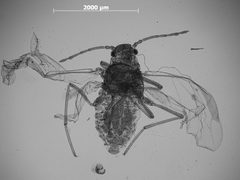
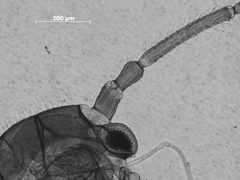
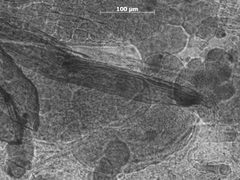
Trama aphids are distinguished from other Lachninae by their association with roots rather than above-ground plant parts. They differ from related root-feeding aphids such as Pemphigus and Geoica by specific morphological traits including antennal segment number and chaetotaxy (bristle arrangement). Identification to level requires examination of microscopic features including the structure of the siphunculi, cauda shape, and antennal .
Images
Appearance
Members of Trama exhibit morphological modifications associated with subterranean existence. The body is often pale or whitish due to lack of pigmentation from living in soil. and legs may be reduced compared to above-ground aphids. Wax secretion is typically present. are often reduced or . Cornicles (siphunculi), when present, are usually small or reduced.
Habitat
Strictly subterranean; found in soil associated with plant roots. Associated with various plants including those in Asteraceae. Soil type and moisture conditions influence distribution but specific requirements vary by .
Distribution
Documented from Denmark (DK), Norway (NO), and Sweden (SE) based on GBIF records. The has a broader Palearctic distribution with additional records from Europe and parts of Asia.
Diet
Phloem-feeding on roots of plants. Specific host associations vary by within the .
Host Associations
- Asteraceae - plant Root-feeding association
Behavior
Subterranean existence throughout . Colonies form on roots and may be tended by ants. Winged forms are produced under specific conditions for of new plants.
Ecological Role
Root-feeding herbivore that may influence plant resource allocation and growth. -tended participate in mutualistic relationships with Formicidae. Serves as food source for soil-dwelling and .
Human Relevance
Potential agricultural pest on root crops and ornamental plants. Limited documented economic impact compared to above-ground pests.
Similar Taxa
- GeoicaAlso root-feeding aphids in Lachninae; distinguished by antennal structure and number of rhinaria on antennal segment III
- PemphigusRelated root-feeding ; differs in gall-forming capabilities on some and specific morphological details of the and siphunculi
- TetraneuraRelated in tribe Pemphigini; includes alternation between primary and secondary , unlike Trama
More Details
Taxonomic note
Trama von Heyden, 1837 is the accepted name for this . The name has been used in other taxonomic contexts (mycology, Lepidoptera) but these represent separate nomenclatural entities.
Research status
Limited -level biological data available in published literature. Most observations are taxonomic descriptions rather than ecological studies.