Pterocomma smithiae
(Monell, 1879)
black willow aphid
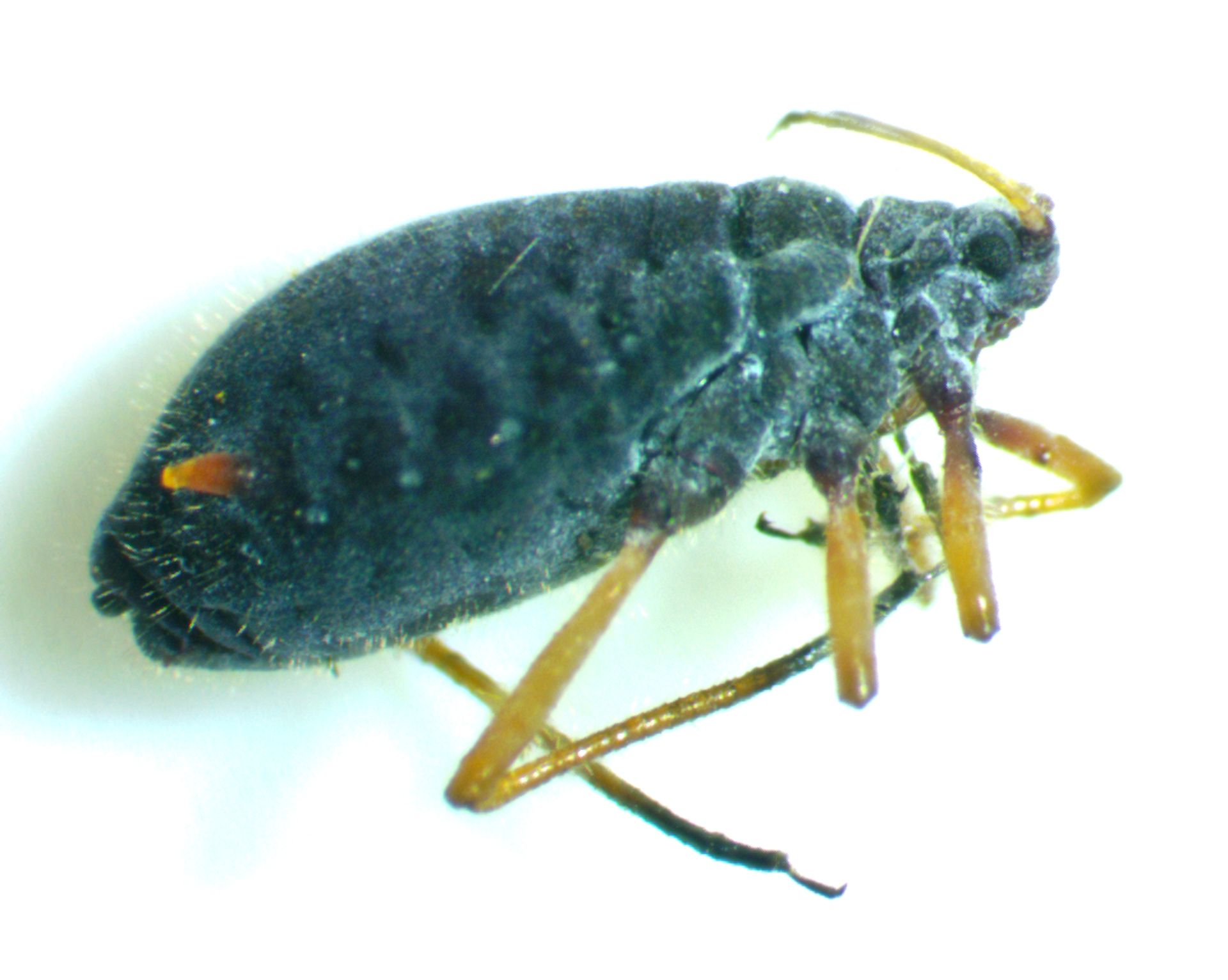
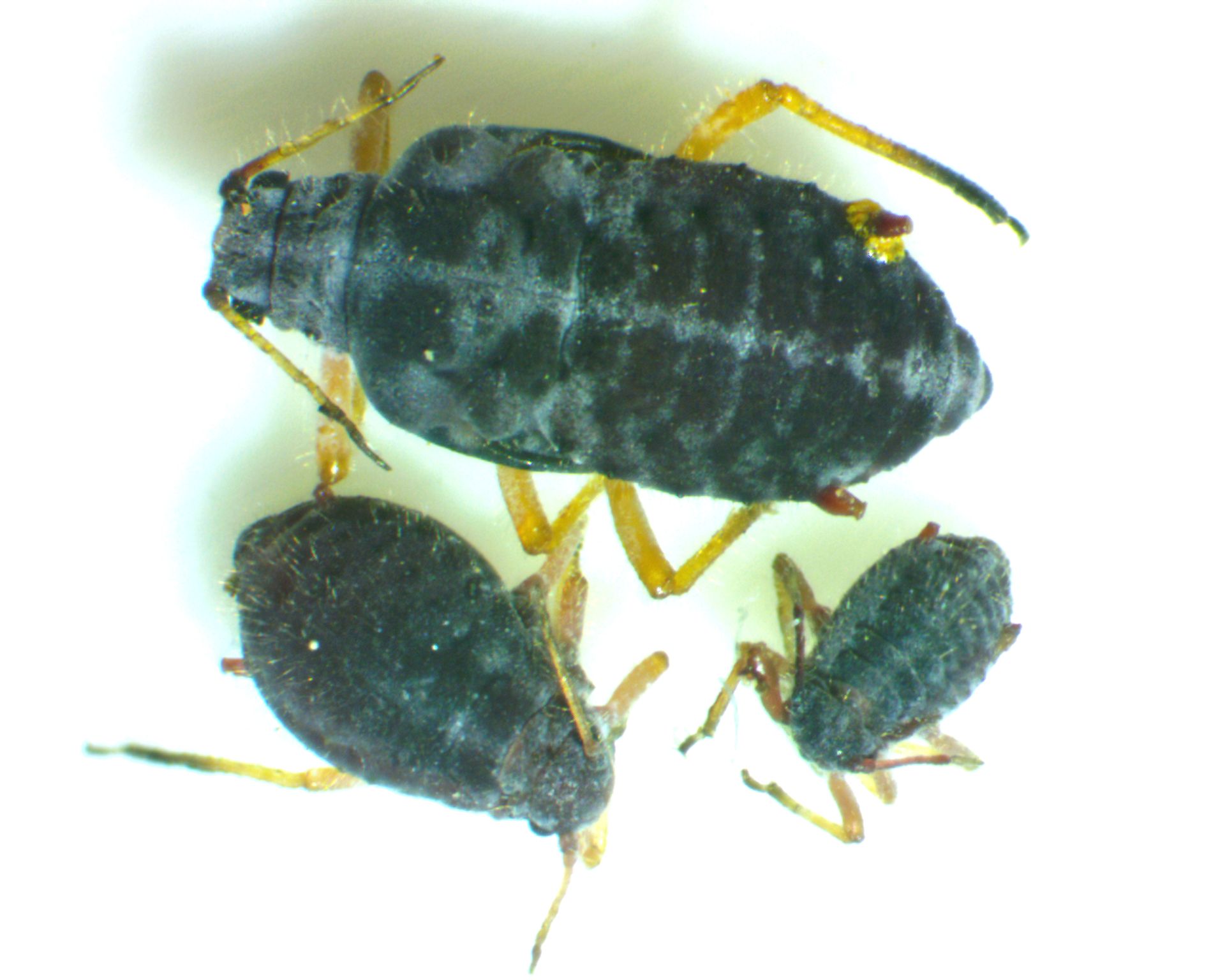
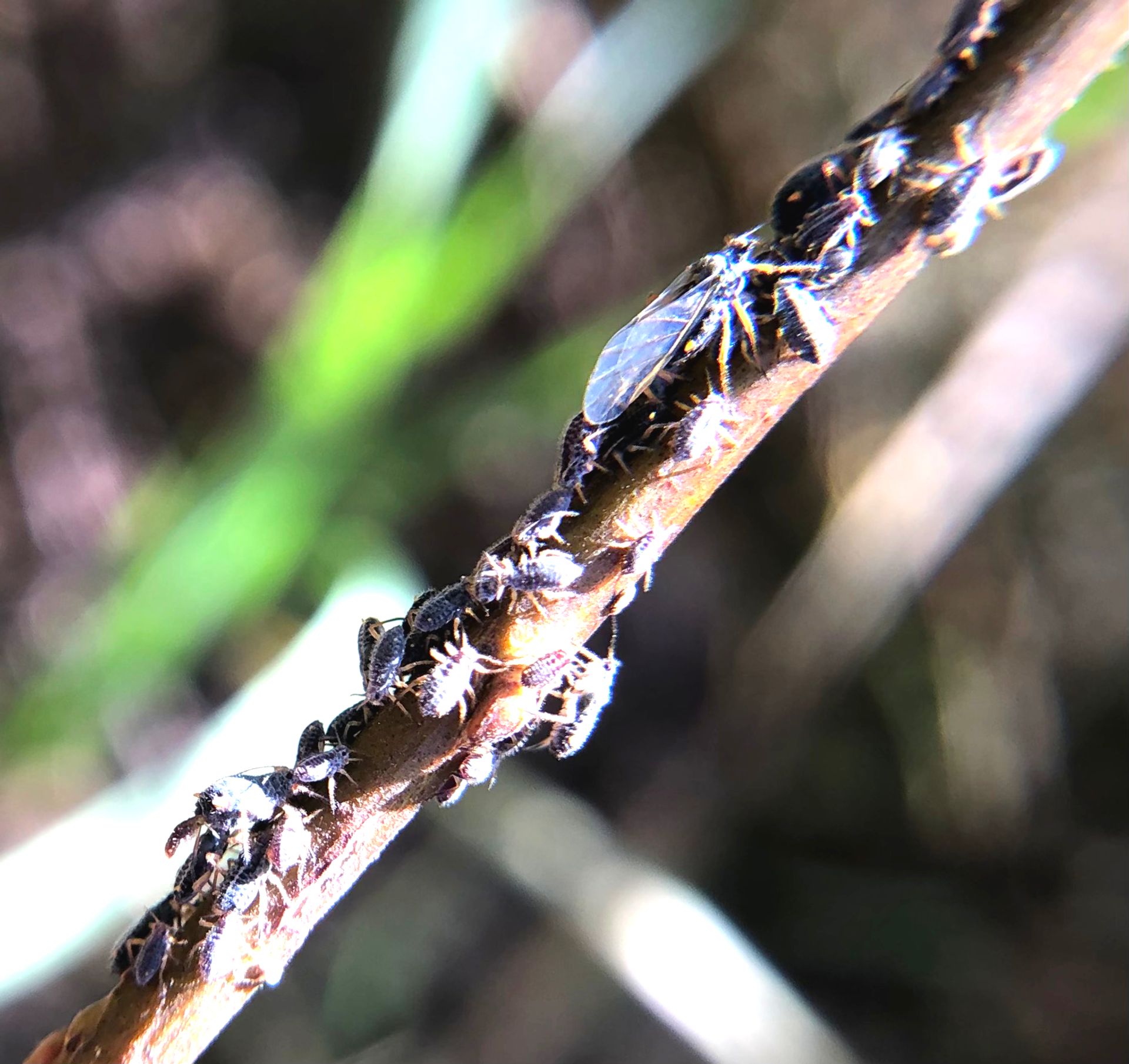
Pterocomma smithiae is a of in the Aphididae, commonly known as the black willow aphid. It is specialized on willow (Salix) and is notable for its dark coloration and tendency to form dense colonies on twigs and branches. The species has been documented across North America and is frequently observed by naturalists.
Pronunciation
How to pronounce Pterocomma smithiae: /ˌtɛrəˈkɒmə ˈsmɪθiˌaɪ/
These audio files are automatically generated. While they are not always 100% accurate, they are a good starting point.
Identification
Dark-colored with a tendency to form dense colonies on willow twigs and branches. Distinguished from other Pterocomma by association with Salix and specific morphological features of the siphunculi and cauda. Separation from Pterocomma salicis requires examination of antennal segment ratios and abdominal development.
Images
Habitat
Associated with willow (Salix) , forming colonies on twigs, branches, and young stems. Found in riparian zones, wetlands, and areas where willows grow.
Distribution
Documented in North America. iNaturalist records indicate presence across the United States and Canada, with observations concentrated in regions with abundant willow .
Diet
Feeds on phloem sap of willow (Salix) .
Host Associations
- Salix - obligateprimary ; colonies form on twigs and branches
Behavior
Forms dense, conspicuous colonies on woody stems of willow. Colonies can become large and are often attended by ants.
Ecological Role
Herbivore that transfers nutrients from willow to higher ; serves as prey for and ; attended by ants that collect honeydew.
Human Relevance
Occasional pest of ornamental willows; monitored by naturalists and ; presence indicates healthy willow .
Similar Taxa
- Pterocomma salicisOverlaps in use on Salix; distinguished by morphological details of and siphunculi
- Chaitophorus speciesAlso dark-colored willow-feeding aphids; differ in body shape and siphunculus structure