
Brachyunguis
Das, 1918
Species Guides
1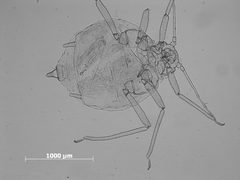
Pronunciation
How to pronounce Brachyunguis: //ˌbræk.iˈʌŋ.ɡwɪs//
These audio files are automatically generated. While they are not always 100% accurate, they are a good starting point.
Identification
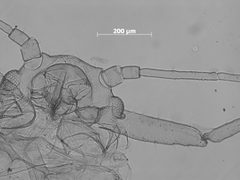
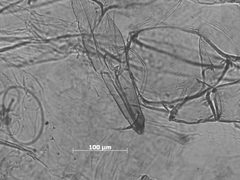
Brachyunguis is distinguished from related primarily by characters of the siphunculi and cauda. The genus is characterized by short, barrel-shaped siphunculi and a short, triangular cauda. These features contrast with the longer, more slender siphunculi found in many other Aphidini genera. Antennal are weakly developed. Winged forms, when present, show reduced venation compared to some related genera.
Images
Habitat
in this have been recorded from herbaceous vegetation in open and semi-open .
Distribution
The has been documented from South Asia, with records from India. Specific distribution details for individual remain limited.
Similar Taxa
- AphisBoth belong to tribe Aphidini, but Brachyunguis has shorter, more robust siphunculi and a shorter cauda compared to the typically longer, more slender siphunculi of Aphis.
- ToxopteraSimilar in general habitus, but Brachyunguis lacks the well-developed antennal characteristic of Toxoptera and shows differences in siphuncular proportions.
More Details
Taxonomic note
Brachyunguis is a small with limited taxonomic study. The type is Brachyunguis harmaliae Das, 1918. The genus has not been subject to comprehensive modern revision, and species boundaries remain poorly defined.