
Aleuroplatus
Quaintance & Baker, 1914
Species Guides
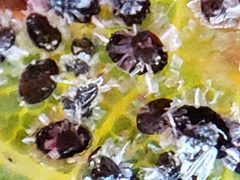
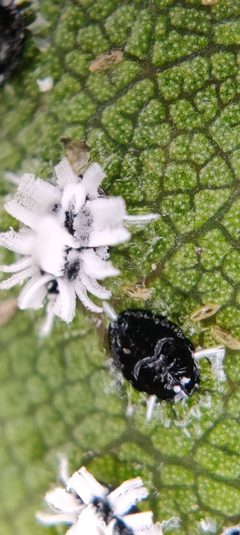
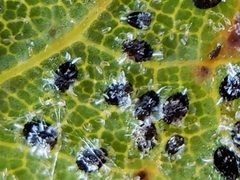
3Aleuroplatus is a of whiteflies (Hemiptera: Aleyrodidae) established by Quaintance & Baker in 1914. Whiteflies in this genus are small, sap-feeding insects with powdery wax-covered wings. The genus has accumulated over 1,700 observations on iNaturalist, indicating moderate documentation of its in the field.
Pronunciation
How to pronounce Aleuroplatus: //ˌæl.jʊə.roʊˈpleɪ.təs//
These audio files are automatically generated. While they are not always 100% accurate, they are a good starting point.
Identification
Aleuroplatus can be distinguished from other whitefly primarily through microscopic examination of pupal case () , including shape, vasiform orifice structure, and wax gland patterns. The genus is characterized by specific arrangements of setae and cuticular sculpturing that differ from closely related genera such as Aleurodicus and Trialeurodes.
Images
Distribution
Observations indicate presence across multiple regions, though specific range boundaries for the as a whole remain incompletely documented.
Life Cycle
As with all Aleyrodidae, Aleuroplatus undergoes : , (first-instar nymph), nymphal instars (second through fourth), and . The fourth nymphal instar forms a non-feeding pupal case () within which the adult develops.
Ecological Role
As phloem-feeding insects, members of this function as plant that may influence plant physiology and serve as prey for and .
Similar Taxa
- AleurodicusBoth share the Aleyrodinae and similar overall body plan, but Aleurodicus typically possess more extensive waxy secretions and differ in pupal case vasiform orifice structure.
- TrialeurodesAnother whitefly with overlapping distribution; Trialeurodes often show distinct pupal case margin and different plant associations that aid separation from Aleuroplatus.
More Details
Taxonomic stability
The has remained taxonomically stable since its original description, with Quaintance & Baker's 1914 authorship consistently recognized across major taxonomic databases including GBIF, Catalogue of Life, and NCBI.