
Andrallus
Bergroth, 1905
Species Guides
1Andrallus is a of predatory stink bugs in the Pentatomidae, established by Bergroth in 1905. The genus contains at least one described , A. spinidens, which has been documented as a of lepidopteran pest larvae in agricultural across Asia. Members of this genus are recognized for their role in of crop pests, particularly in rice and other field crop systems.
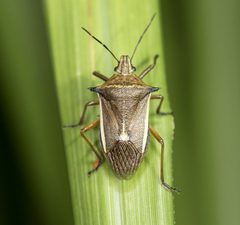
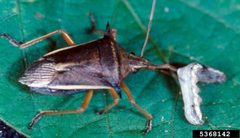
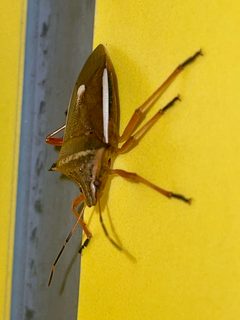
Pronunciation
How to pronounce Andrallus: /ænˈdræləs/
These audio files are automatically generated. While they are not always 100% accurate, they are a good starting point.
Images
Habitat
Agricultural , particularly crop fields. Documented occurrences include rice-dominated cultivated areas, wheat fields, soybean, maize, pigeonpea, gram, beans, cowpea, cabbage, and okra plantings. Associated with agroecosystems in both the Kumaon region of Uttarakhand, India and northern Iran.
Distribution
Kumaon region of Uttarakhand, India (all six districts surveyed March 2018–February 2019); northern Iran (rice field systems).
Diet
of lepidopteran larvae. Documented prey includes: Mythimna separata (on wheat), Helicoverpa armigera (on wheat, pigeonpea, okra, gram), Spodoptera litura (on soybean, cabbage, beans), Cnaphalocrosis medinalis (on rice), Maruca vitrata (on pigeonpea, beans), Chilo partellus (on maize), Spodoptera mauritia (rice army worm), Galleria mellonella, and Ephestia kuehniella. Can develop and reproduce on both live and frozen prey.
Host Associations
- Mythimna separata - preyon wheat
- Helicoverpa armigera - preyon wheat, pigeonpea, okra, gram
- Spodoptera litura - preyon soybean, cabbage, beans
- Cnaphalocrosis medinalis - preyon rice
- Maruca vitrata - preyon pigeonpea, beans
- Chilo partellus - preyon maize
- Spodoptera mauritia - preyrice army worm
- Galleria mellonella - preylaboratory prey, live or frozen
- Ephestia kuehniella - preylaboratory prey, live or frozen
Life Cycle
Developmental time and body weight vary depending on prey and whether prey is live or frozen. Specific details on , nymphal, and stages not documented in available sources.
Behavior
Exhibits on agricultural pest larvae. Has been observed to develop and reproduce on frozen prey when live prey are scarce, though with reduced hatchability depending on prey .
Ecological Role
of lepidopteran agricultural pests; agent in rice and other crop agroecosystems.
Human Relevance
Recognized as a agent for management of lepidopteran crop pests. Susceptible to fungi including bassiana isolates, which has implications for strategies.
Similar Taxa
- other Pentatomidae predatorssimilar predatory habitus in same ; identification to level requires examination of specific morphological characters not detailed in available sources
More Details
Reproductive biology
and longevity are unaffected by prey or prey freezing, but hatchability is mainly reduced when frozen prey is used. This suggests potential for mass rearing using frozen prey when live prey availability is limited.
Sources and further reading
- BugGuide
- Wikipedia
- GBIF taxonomy match
- iNaturalist taxon
- NCBI Taxonomy
- Host Range and Distribution of Predatory Stink Bug Andrallus Spinidens (F.) in Uttarakhand
- Biology and functional Response of Andrallus spinidens (F) to the rice army worm Spodoptera mauritia (Boisduval)
- Reproduction of the predatory stinkbug Andrallus spinidens (F.) (Heteroptera: Pentatomidae) on live and frozen prey
- Virulence determination of Beauveria bassiana isolates on a predatory hemipteran, Andrallus spinidens Fabricius (Hemiptera: Pentatomidae)