
Berytinus
Kirkaldy, 1900
Species Guides
1- Berytinus minor(common stiltbug)
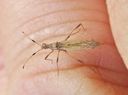
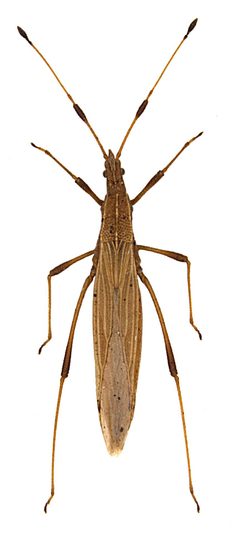
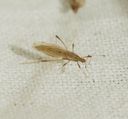
Berytinus is a of stilt bugs ( Berytidae) comprising approximately 12 described . Members are characterized by extremely long, slender legs and relative to body size. The genus includes both (long-winged) and brachypterous (short-winged) forms. At least one species, Berytinus minor, has been introduced to North America and is associated with white clover.
Pronunciation
How to pronounce Berytinus: //bɛˈrɪtɪnəs//
These audio files are automatically generated. While they are not always 100% accurate, they are a good starting point.
Identification
Extremely long, thread-like legs and distinguish Berytinus from most other Hemiptera. Body is slender and elongate. Wing exists within : individuals may be fully winged () or short-winged (brachypterous). Specific species identification requires examination of pronotal and wing .
Images
Habitat
Vegetation in open . Berytinus minor specifically associated with white clover (Trifolium repens) in meadow and grassland settings.
Distribution
Palearctic region (native range); Berytinus minor introduced to North America with established in the northeastern United States and Canada. GBIF records indicate presence in Denmark, Norway, and Sweden.
Seasonality
Berytinus minor overwinters as , disperses to plants in April, with mating and oviposition beginning late April to May. New adults mature in late July or August.
Diet
Phytophagous. Berytinus minor feeds on white clover (Trifolium repens).
Host Associations
- Trifolium repens - food plantwhite clover
Life Cycle
Overwinters as . to food plants occurs in spring. Mating and oviposition begin late April–May. Adults of the season mature late July–August.
Behavior
Slow, deliberate movement across vegetation. Wing may influence capability.
Similar Taxa
- JalysusBoth are stilt bug with extremely long legs; Jalysus are more commonly encountered in North America and include significant agricultural pests (e.g., Jalysus wickhami on tomatoes), whereas Berytinus is less frequently reported and includes introduced species.
- NeoneidesAnother stilt bug occurring in eastern North America; distinguished by subtle morphological features of the and .
More Details
Wing polymorphism
Berytinus minor exhibits both long-winged () and short-winged (brachypterous) forms. The applicability of these terms to this has been questioned in the literature due to intermediate morphological states.
Introduction history
Berytinus minor is not native to North America. Its origin and site of introduction have been discussed in entomological literature, with the now established in the northeastern United States and Canada.