
Neoneides
Stusak, 1989
stilt bug
Species Guides
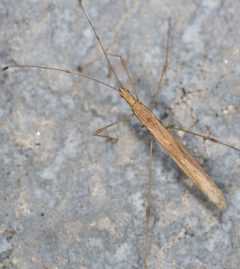
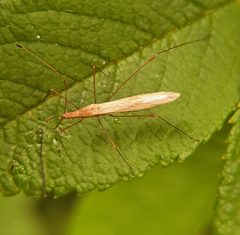
1Neoneides is a of stilt bugs in the Berytidae, established by Stusak in 1989. The genus contains a single described , Neoneides muticus. Stilt bugs in this family are characterized by their exceptionally long legs and , which give them a distinctive gangly appearance. Neoneides has been documented in the northeastern United States, including Vermont and Maryland.
Pronunciation
How to pronounce Neoneides: /niː.oʊˈnaɪdiːz/
These audio files are automatically generated. While they are not always 100% accurate, they are a good starting point.
Identification
Neoneides muticus can be distinguished from other stilt bugs in the region by its taxonomic placement within the Neoneides. In the northeastern United States, it occurs alongside Berytinus minor and two Jalysus (J. wickhami and J. spinosus). Specific diagnostic features separating N. muticus from these are not detailed in available sources.
Images
Distribution
Documented from the northeastern United States, specifically Vermont and Maryland. The Maryland Diversity Project lists it as a resident of the region.
Similar Taxa
- Jalysus wickhamiAnother found in the same region (DMV area), but belongs to a different with broader plant range and known agricultural pest status.
- Jalysus spinosusCo-occurs in the northeastern United States; differs in being primarily associated with grasses in the Panicum.
- Berytinus minorListed alongside Neoneides muticus as a regional resident in Maryland, representing a different within the same .
More Details
Taxonomic history
The Neoneides was established relatively recently (1989) compared to other berytid genera, reflecting ongoing refinement in .
Species diversity
Unlike the related Jalysus, which contains multiple common and well-studied , Neoneides is with only N. muticus described.