
Berytinae
Fieber, 1851
stilt bugs
Genus Guides
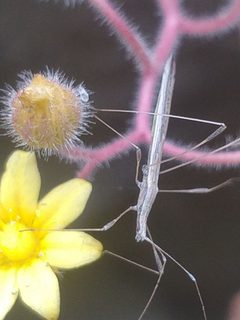
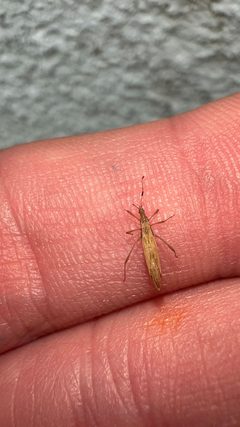
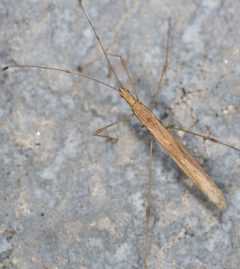
2Berytinae is a of stilt bugs within the Berytidae. Members are characterized by their elongated, slender legs and , giving them a distinctive stilt-like appearance. The subfamily includes plant-feeding and, in some cases, predatory forms. Berytinae represents one of three subfamilies in Berytidae, with species distributed globally.
Pronunciation
How to pronounce Berytinae: /ˌbɛrɪˈtaɪniː/
These audio files are automatically generated. While they are not always 100% accurate, they are a good starting point.
Identification
Berytinae can be distinguished from other Berytidae (Gampsocorinae and Metacanthinae) by genitalic characters and subtle differences in leg and antennal proportions. Within the subfamily, identification relies on detailed examination of male genitalia and antennal segment ratios. The combination of long, slender legs (especially the hind ), cylindrical body, and four-segmented separates Berytinae from superficially similar thread-legged bugs (Emesinae, Reduviidae).
Images
Distribution
Global distribution, with recorded from all continents except Antarctica. Specific regional distributions vary by and species within the .
Similar Taxa
- GampsocorinaeAnother of Berytidae; distinguished from Berytinae by differences in male genitalia structure and generally shorter relative leg proportions.
- MetacanthinaeThird of Berytidae; separated from Berytinae by genitalic and antennal segment proportions.
- EmesinaeThread-legged bugs (Reduviidae) that resemble Berytinae in having extremely long, slender legs; distinguished by forelegs adapted for prey capture and three-segmented versus four-segmented antennae in Berytinae.
More Details
Taxonomic Note
Berytinae is the nominate of Berytidae and contains the majority of described in the . The subfamily was established by Fieber in 1851. Generic composition varies across faunal regions, with several restricted to specific continents.