
Metacanthinae
Douglas & Scott, 1865
Genus Guides
2- Jalysus(stilt bugs)
- Metacanthus
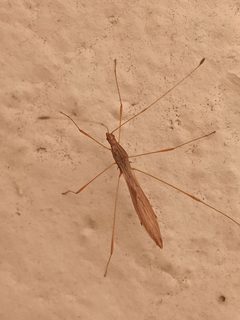
Metacanthinae is a of stilt bugs (Berytidae) comprising approximately 12 and 80 described . Members are characterized by elongated, slender bodies and long, stilt-like legs typical of the . The subfamily includes species with documented zoophytophagous feeding habits, such as Jalysus sobrinus, which damages tomato crops while also preying on pest insects. Metacanthinae species occur primarily in the Neotropical region.


Pronunciation
How to pronounce Metacanthinae: //mɛtəkænˈθaɪniː//
These audio files are automatically generated. While they are not always 100% accurate, they are a good starting point.
Images
Distribution
Primarily Neotropical; documented in Uruguay (northern and southern regions), Argentina (Buenos Aires province, Corrientes), and broader Neotropical latitudes. Specific distributions vary by and .
Human Relevance
Some , particularly in the Jalysus, are emerging agricultural concerns. Jalysus sobrinus causes aesthetic damage and post-harvest rot in tomato fruits, particularly affecting organic and transition farms in Uruguay. The same species shows predatory against greenhouse whitefly (Trialeurodes vaporariorum), suggesting potential for applications.
Similar Taxa
More Details
Taxonomic Uncertainty
Source documents disagree on and counts: Wikipedia cites 12 genera and 80 species, while iNaturalist reports at least 2 genera and about 9 species. This discrepancy may reflect incomplete cataloging or differing taxonomic treatments.
Research Focus
Most detailed ecological studies focus on Jalysus sobrinus; broader -level biological data remain sparse. The zoophytophagous habit observed in this may or may not extend to other Metacanthinae members.