
Metrobates artus
Anderson, 1932
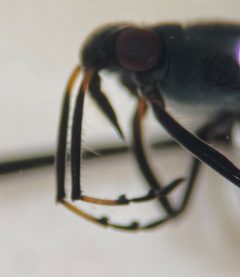
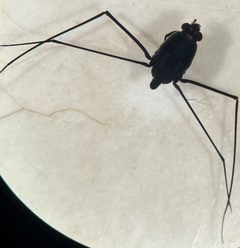
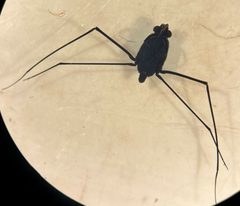
Metrobates artus is a water strider in the Gerridae, first described by Anderson in 1932. It belongs to the Trepobatinae, a group of gerrids adapted to life on flowing water surfaces. The Metrobates is primarily Nearctic in distribution. This species has been recorded from both Middle America and North America.
Pronunciation
How to pronounce Metrobates artus: //ˌmɛtrəˈbeɪtiːz ˈɑrtəs//
These audio files are automatically generated. While they are not always 100% accurate, they are a good starting point.
Identification
Members of Metrobates can be distinguished from other trepobatine by features of the male genitalia and leg proportions. Specific diagnostic characters for M. artus require examination of and original description; published comparative descriptions are limited.
Images
Habitat
As a member of Trepobatinae, this likely inhabits flowing water such as streams and rivers. Trepobatines are generally associated with lotic (running water) environments rather than lentic (standing water) habitats.
Distribution
Recorded from Middle America and North America. Specific country-level distribution data are not well-documented in available sources.
Similar Taxa
- Metrobates hesperiusCongeneric with overlapping distribution in western North America; separation requires examination of male genitalic structures and body proportions
- RheumatobatesAnother trepobatine found in similar flowing water ; distinguished by different leg segmentation and body shape
More Details
Taxonomic note
The Metrobates was revised by J. T. Polhemus in 1968, but M. artus is among the less frequently collected in the genus. Original description based on material from Mexico.
Research limitations
Only 4 observations recorded in iNaturalist as of data compilation, indicating this is rarely encountered or underreported. No published ecological or behavioral studies specifically targeting this species were located.