
Telonaca
Ball, 1918
Species Guides
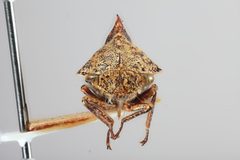
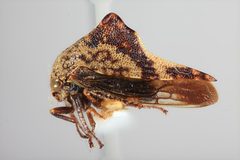
2Telonaca is a small of treehoppers ( Membracidae) comprising two described : Telonaca alta and Telonaca ramona. It belongs to the tribe Telamonini within the Smiliinae, a group characterized by pronounced pronotal modifications. The genus was established by Ball in 1918. Members of this genus exhibit the enlarged, often elaborately shaped pronotum typical of their family, which serves various ecological functions including camouflage and deterrence.

Pronunciation
How to pronounce Telonaca: /tɛˈloʊnəˌkə/
These audio files are automatically generated. While they are not always 100% accurate, they are a good starting point.
Identification
Telonaca can be distinguished from other Telamonini by specific pronotal configurations, though detailed diagnostic characters require examination of . The genus is placed in Smiliinae based on pronotal structure covering the scutellum. Accurate species-level identification within Telonaca relies on subtle differences in pronotal shape and size; T. alta has been recorded from Texas, while T. ramona's distribution is less documented.
Images
Distribution
Telonaca alta is known from Texas, USA. The distribution of Telonaca ramona is not clearly documented in available sources. As a Nearctic within the predominantly Neotropical Smiliinae, Telonaca represents a northern extension of this tribe's range.
Similar Taxa
- TelamonaBoth belong to tribe Telamonini and share similar pronotal architecture; Telamona is more -rich and widely distributed, requiring careful examination of pronotal processes for separation.
- TelamonantheAnother Telamonini with comparable body plan; distinguished by specific pronotal and genitalic characters.
- CyrtolobusSmiliinae with similar overall ; differs in pronotal shape and geographic distribution patterns.
More Details
Taxonomic history
The Telonaca was established by Ball in 1918 and has remained small, with only two described throughout its taxonomic history. This stability contrasts with the taxonomic flux seen in larger membracid genera.
Collection rarity
Telonaca alta is rarely encountered in collections; the Beetles In The Bush blog notes only a single specimen from Texas in a substantial collection accumulated over a decade of fieldwork in the Americas.