
Micrutalini
Haupt, 1929
Genus Guides
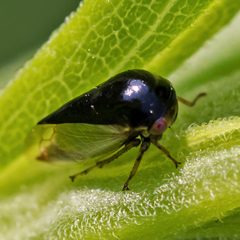
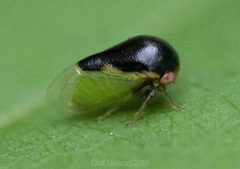
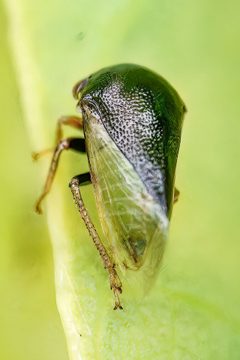
1Micrutalini is a tribe of treehoppers (Hemiptera: Membracidae: Smiliinae) containing two : Micrutalis and Trachytalis. The tribe is distinguished by exceptionally small fifth-instar nymphs (3.0–3.5 mm) and unique morphological features including ventrolateral scoli in some —a condition unknown elsewhere in Smiliinae. Nymphs are cryptic, solitary, and not associated with ants. The tribe occurs throughout much of the Americas and the West Indies.
Pronunciation
How to pronounce Micrutalini: /miːkruːtəˈlɪnaɪ/
These audio files are automatically generated. While they are not always 100% accurate, they are a good starting point.
Identification
Nymphs distinguished from other Smiliinae by combination of small size (3.0–3.5 mm at fifth instar), presence of paired scoli on thoracic nota and abdominal segments III–IX, and in some , unique ventrolateral abdominal scoli. presumably separable by genitalic characters typical of Membracidae , though specific diagnostic features not provided in sources. Solitary, non--attended nymphal contrasts with many other tribes.
Images
Habitat
Associated with diverse plants including Cordia (Boraginaceae), Leucaena leucocephala (Fabaceae), Lycopersicon esculentum (Solanaceae), Anisacanthus thurberi (Acanthaceae), and Viscaceae (mistletoe). Specific conditions beyond host plant presence not documented.
Distribution
Throughout much of North America, South America, and the West Indies.
Diet
Phloem-feeding on plants.
Host Associations
- Cordia macrostachya - Boraginaceae
- Cordia sp. - Boraginaceae
- Leucaena leucocephala - Fabaceae
- Lycopersicon esculentum - Solanaceae
- Anisacanthus thurberi - Acanthaceae
- Viscaceae - mistletoe
Life Cycle
deposited within stems rather than in exposed masses. Nymphal development includes at least five instars; fifth instar nymphs measure 3.0–3.5 mm. Nymphs are unable to jump, as is characteristic of Membracidae nymphs generally. and other developmental details not documented.
Behavior
Nymphs are exceedingly cryptic in appearance and . They are solitary and not attended by ants, unlike many other . Nymphs lack the jumping ability typical of Membracidae.
Similar Taxa
- AcutaliniAnother New World Smiliinae tribe with which Micrutalini was historically confused; distinguished by nymphal including larger size, different scoli arrangement, and -tended in many .
- Other Smiliinae tribesMicrutalini nymphs uniquely possess ventrolateral abdominal scoli in some and are notably smaller (3.0–3.5 mm) than most other nymphs; additionally, their solitary, non--attended contrasts with the mutualistic associations common in many other tribes.
More Details
Taxonomic composition
The tribe contains two : Micrutalis and Trachytalis. The stages were historically undescribed until recent systematic study.
Data limitations
Most biological information derives from Micrutalis; direct observations for Trachytalis and for the tribe as a whole are limited. associations come from scattered collection records rather than systematic study. No direct observations of feeding or interactions have been reported for the tribe specifically.