
Selenomorphini
Evans, 1974
Genus Guides
1Selenomorphini is a small tribe of leafhoppers in the Cicadellidae, Iassinae. It was established by Evans in 1974 and currently comprises at least six including Pachyopsis, Scaroidana, Parapachyopsis, and Uhleriana. The tribe exhibits a disjunct biogeographic pattern, with occurring in the New World and New Caledonia. Recent taxonomic work has focused on Brazilian fauna, describing new species and genera and providing detailed morphological redescriptions including first illustrations of female genitalia.
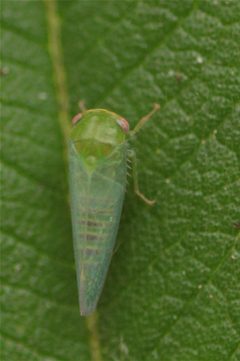
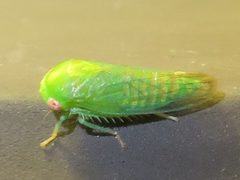
Pronunciation
How to pronounce Selenomorphini: //ˌsɛlɪnoʊˈmɔːrfɪnaɪ//
These audio files are automatically generated. While they are not always 100% accurate, they are a good starting point.
Identification
Members of Selenomorphini can be distinguished from other Iassinae tribes by genitalic characters, particularly features of the male and female genitalia. The tribe includes with distinct and pronotal morphologies; detailed comparative notes between Pachyopsis, Scaroidana, and related genera emphasize differences in genitalic structure and external body proportions. An updated key to genera is available in recent taxonomic literature.
Images
Distribution
New World and New Caledonia. In the New World, documented from Brazil with new state records and multiple new described from this country.
Similar Taxa
- Other Iassinae tribesSelenomorphini is distinguished from other tribes in the Iassinae by genitalic and biogeographic distribution; the disjunct New World-New Caledonia pattern is unusual within the subfamily.
More Details
Taxonomic history
The tribe was established by Evans in 1974. Prior to recent revisions, it comprised four and 21 . Current diversity includes at least six genera following the description of Parapachyopsis and Uhleriana from Brazil.
Research focus
Available literature focuses heavily on alpha and . No published information on , , or was found in the examined sources.