
Rhytidodus
Fieber, 1872
Species Guides
1Rhytidodus is a of leafhoppers in the Cicadellidae, Eurymelinae, tribe Idiocerini. The genus was established by Fieber in 1872 and is currently accepted as valid. in this genus are found in Europe, with distribution records from Denmark, Norway, and Sweden. As a member of the Idiocerini, Rhytidodus belongs to a group of leafhoppers often associated with woody plants.
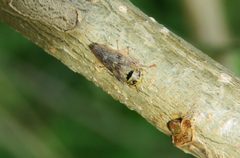
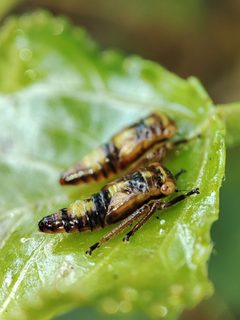
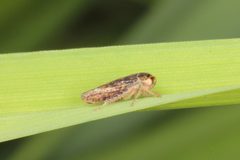
Pronunciation
How to pronounce Rhytidodus: //ˌraɪtɪˈdoʊdəs//
These audio files are automatically generated. While they are not always 100% accurate, they are a good starting point.
Identification
Rhytidodus can be distinguished from other Idiocerini by genitalic characters, particularly the structure of the male and parameres. Members of Idiocerini typically have enlarged, rounded relative to body size and short, bristle-like . Definitive identification to species level requires examination of male genitalia.
Images
Distribution
Recorded from Denmark, Norway, and Sweden based on GBIF distribution data. The appears to have a European distribution, though precise range boundaries are not well documented.
Similar Taxa
- IdiocerusBoth belong to tribe Idiocerini and share the characteristic enlarged ; Rhytidodus differs in male genitalic structure and specific head shape proportions.
- AcericerusAnother Idiocerini with similar body plan; distinguished by differences in and genitalic characters.
More Details
Taxonomic placement
Rhytidodus is placed in the subtribe Idiocerina within tribe Idiocerini, reflecting its close relationship to other with enlarged and associated .
Data limitations
The is poorly represented in public databases; iNaturalist records 644 observations but these are not identified to level, limiting ecological and biological information.