
Acericerus
Dlabola, 1974
Species Guides
1- Acericerus ribauti(Early leafhopper)
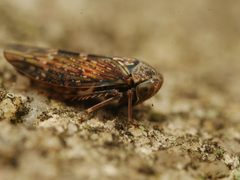
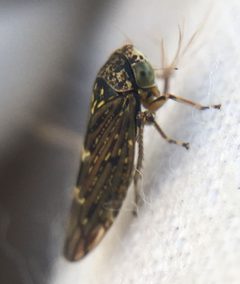
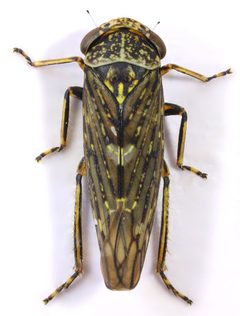
Acericerus is a of leafhoppers in the Cicadellidae, Eurymelinae, tribe Idiocerini. The genus was established by Dlabola in 1974 and is recorded from parts of northern Europe including Denmark, Norway, and Sweden. Like other idiocerine leafhoppers, members of this genus are associated with woody plants. The genus contains multiple , though detailed species-level and remain incompletely documented.
Pronunciation
How to pronounce Acericerus: /ˌæ.sɛr.ɪˈsɛr.əs/
These audio files are automatically generated. While they are not always 100% accurate, they are a good starting point.
Identification
Acericerus can be distinguished from related idiocerine by genitalic characters, particularly the structure of the male and the shape of the pygofer. External includes a somewhat robust body form typical of Eurymelinae, with the usually narrower than the pronotum. Accurate identification to species level requires examination of male genitalia and is not reliably achieved from external features alone.
Images
Habitat
Associated with woodland and forest edge , particularly where maples (Acer ) occur. Found on woody vegetation in temperate broadleaf and mixed forest zones.
Distribution
Recorded from Denmark, Norway, and Sweden. Distribution appears centered in northern Europe, though records may be incomplete due to taxonomic revisions and identification challenges.
Diet
Phloem-feeding on woody plants, with associations primarily on maples (Acer ).
Host Associations
- Acer - primary name Acericerus reflects association with maple
Life Cycle
Hemimetabolous development typical of Hemiptera, with , nymph, and stages. Detailed data for the are not well documented.
Ecological Role
As phloem-feeding insects on woody plants, members of this function as herbivores in forest . They may serve as prey for insectivorous birds, spiders, and other arthropods.
Human Relevance
No significant direct economic importance. Not known as a pest of cultivated plants. Of interest to entomologists studying leafhopper and forest insect .
Similar Taxa
- IdiocerusBoth are idiocerine leafhoppers with similar body form; distinguished by male genitalic structure, particularly aedeagal
- AphrodesSimilar size and ; Aphrodes belongs to different leafhopper (Aphrodinae) and has different wing venation and shape
More Details
Etymology
The name Acericerus is derived from Acer (maple) and the suffix -cerus, indicating the association with maple plants.
Taxonomic history
Established by Dlabola in 1974, with previously placed in related such as Idiocerus subsequently transferred to Acericerus based on genitalic characters.