
Idiocerus
Lewis, 1834
Species Guides
33Idiocerus is a large of leafhoppers in the Cicadellidae, first described by Lewis in 1834. The genus is taxonomically challenging, with many exhibiting similar that complicates identification. Species are predominantly associated with woody plants, particularly poplars (Populus) and willows (Salix), though some species have been documented as pests of mango (Mangifera indica) in India. The genus has a broad distribution across the Holarctic region, with numerous species in both Europe and North America.
Pronunciation
How to pronounce Idiocerus: /ˌɪdioʊˈsiːrəs/
These audio files are automatically generated. While they are not always 100% accurate, they are a good starting point.
Identification
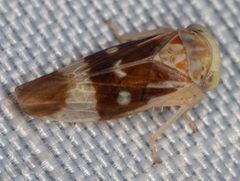
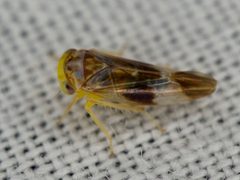
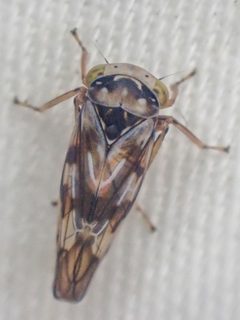
Distinguished from other leafhopper by the very short and broadly rounded vertex. -level identification is difficult due to morphological similarity among ; many species require examination of genitalia or association with specific plants for reliable determination.
Images
Appearance
with very short, broadly rounded vertex. Body form typical of leafhoppers. Many within the are morphologically similar, contributing to identification difficulties.
Habitat
Associated with specific plants, particularly poplars and willows. Some inhabit mango orchards in India.
Distribution
Holarctic distribution. Documented from Europe (including Denmark, Norway, Sweden), North America (including Vermont, USA), and India (for pest I. niveosparsus, I. atkinsoni, and I. clypealis).
Diet
Phloem-feeding on plant vascular tissues. Specific dietary details at level not documented.
Host Associations
- Populus - primary particularly poplars
- Salix - primary willows
- Mangifera indica - pest I. niveosparsus, I. atkinsoni, and I. clypealis cause serious damage to mango crops in India
Ecological Role
Herbivores that feed on plant phloem. Some are significant agricultural pests. Serve as for multiple species including Pipunculid flies, Stylopids, Epipyropid (external of ), and Dryinid (external parasites of nymphs).
Human Relevance
Some are important orchard pests. In India, I. niveosparsus, I. atkinsoni, and I. clypealis cause serious damage to mango crops. The has been studied for its natural enemies as potential agents.
Similar Taxa
- AnidiocerusBoth belong to tribe Idiocerini, but Anidiocerus is to China and can be distinguished by distribution and presumably morphological features; Anidiocerus bimaculatus has been used in phylogenetic studies to confirm monophyly of Idiocerini
More Details
Taxonomic challenges
Many are very similar and difficult to identify, a noted characteristic of the
Type species example
I. vitreus, a common European , is found exclusively on certain poplars, illustrating the strong specificity typical of many Idiocerus species