
Paraphlepsius
Baker, 1897
Species Guides
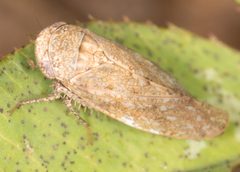
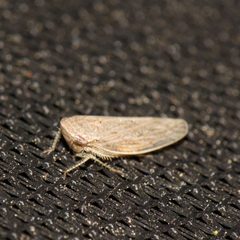
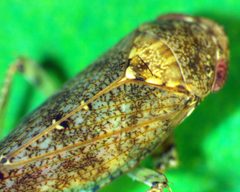
31Paraphlepsius is a of leafhoppers in the Cicadellidae, tribe Pendarini, Deltocephalinae, containing approximately 70 described . The genus is best known from detailed studies of Paraphlepsius irroratus, which serves as a of plant including the peach X- phytoplasma and the clover phyllody mycoplasmalike organism. Members of this genus are phloem-feeding insects with documented associations with grasses, legumes, and various agricultural crops.
Pronunciation
How to pronounce Paraphlepsius: //ˌpærəˈflɛpsiəs//
These audio files are automatically generated. While they are not always 100% accurate, they are a good starting point.
Images
Habitat
Agricultural settings and areas with plants including grasses (Poaceae), legumes (Fabaceae), and various dicotyledonous plants. Specific preferences for the as a whole are not documented.
Distribution
Records from Vermont, United States; broader distribution across North America is inferred from -level studies but not explicitly documented for the .
Diet
Phloem-feeding on plants. For P. irroratus specifically: nymphs feed primarily on grasses (Poaceae), while feed on a broader range including legumes, celery (Apium graveolens var. dulce), and members of Compositae (Asteraceae).
Host Associations
- Grasses (Poaceae) - food plant for nymphsBased on P. irroratus; nymphs completed development on 9 of 10 grass tested
- Legumes (Fabaceae) - oviposition and food plantBased on P. irroratus; used as oviposition in rearing studies
- Apium graveolens var. dulce (celery) - food plantBased on P. irroratus; supported >50% survival
- Compositae (Asteraceae) - food plantBased on P. irroratus; most members supported survival except Callistephus chinensis
- Trifolium spp. (clover) - plant for phytoplasma transmissionP. irroratus transmits clover phyllody mycoplasmalike organism to clover
- Peach X-disease phytoplasma - transmittedP. irroratus is a known
- Clover phyllody mycoplasmalike organism - transmittedP. irroratus is a known
Life Cycle
For P. irroratus: to via 5 nymphal instars. Development time ranges from 31.8 to 59.2 days depending on food plant . Nymphs emerge from eggs laid on various plant species, with higher numbers on monocots suggesting they are important natural oviposition .
Behavior
P. irroratus has been successfully reared under artificial conditions using a legume as oviposition and grasses as food plants for nymphs. survival on monocots is relatively high initially but declines with prolonged confinement.
Ecological Role
Members of this function as of plant . P. irroratus transmits phytoplasmas causing peach X- and clover phyllody. The also serves as prey for the crabronid Clitemnestra bipunctata, which provisions nests with paralyzed leafhoppers.
Human Relevance
Agricultural pest status due to capacity. P. irroratus is a documented vector of economically significant phytoplasma diseases affecting peach and clover crops.
Similar Taxa
- Other Deltocephalinae leafhoppersSimilar general and ; identification to level requires examination of male genitalia and other structural characters not detailed in available sources
- MacrostelesBoth contain agricultural pest that phytoplasmas; distinguished by subtle morphological features in the male genitalia
More Details
Taxonomic authority
established by Baker in 1897. Currently placed in tribe Pendarini within Deltocephalinae.
Species diversity
Approximately 70 described , with 73 species listed in some sources. Most detailed biological information available only for P. irroratus.
Predator relationships
P. irroratus is among the documented prey of the sand wasp Clitemnestra bipunctata (Crabronidae), which hunts leafhoppers and stores 6-18 paralyzed individuals per nest .
Sources and further reading
- BugGuide
- Wikipedia
- GBIF taxonomy match
- iNaturalist taxon
- NCBI Taxonomy
- Catalogue of Life
- Bug Eric: Wasp Wednesday: Clitemnestra bipunctata
- BIOLOGY AND REARING OF PARAPHLEPSIUS IRRORATUS (HOMOPTERA: CICADELLIDAE), A VECTOR OF PEACH X-DISEASE
- Vector-pathogen-host plant relationships of clover phyllody mycoplasmalike organism and the vector leafhopperParaphlepsius irroratus