
Ceroxys
Macquart, 1835
picture-winged flies
Species Guides
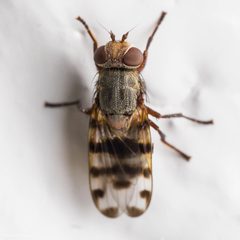
1- Ceroxys latiusculus(narrow-banded picture-winged fly)
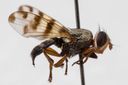
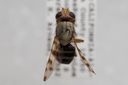
Ceroxys is a of picture-winged flies in the Ulidiidae, comprising approximately 20 described distributed primarily across the Northern Hemisphere. are recognized by their distinctive patterned wings featuring dark spots, bars, or lines on a translucent background. The genus includes notable species such as Ceroxys latiusculus, which is common in western North America and frequently observed indoors during fall and winter. Larval development occurs in plant seed , particularly Senecio species.
Pronunciation
How to pronounce Ceroxys: /sɛˈrɒk.sɪs/
These audio files are automatically generated. While they are not always 100% accurate, they are a good starting point.
Identification
of Ceroxys can be distinguished from similar ulidiid by wing pattern : the dark markings form incomplete bars or spots rather than the complete "tiger-striped" patterns seen in Pseudotephretina. within Ceroxys are differentiated by specific wing marking configurations, body size (typically 9-12 mm), and geographic distribution. The genus lacks the metallic body coloration present in some other Ulidiidae genera.
Images
Distribution
Northern Hemisphere including Europe (Denmark, Norway, Sweden recorded), North America, and parts of Asia. Ceroxys latiusculus is specifically documented as common throughout western North America.
Seasonality
active in spring and fall; in western North America, Ceroxys latiusculus is described as especially common during these seasons. Adults frequently enter buildings in fall seeking winter shelter, with indoor observations extending from early fall through spring.
Diet
Larvae develop within seed of Senecio (groundsels, ragworts, members of Asteraceae). feeding habits are not documented.
Behavior
of at least one (Ceroxys latiusculus) are known to invade homes and buildings in fall, seeking shelter for winter. Adults have been observed crawling on vegetation, including tree trunks and blossoms. The exhibits typical ulidiid wing-flicking , though this has not been specifically documented for Ceroxys in the provided sources.
Human Relevance
Ceroxys latiusculus is considered a nuisance pest due to its habit of entering buildings in large numbers during fall, where persist through winter. Frequently mistaken for the walnut husk fly (Rhagoletis completa), an agricultural pest. The does not damage structures or stored products.
Similar Taxa
- PseudotephretinaSimilar size and general appearance, but Pseudotephretina have more complete, "tiger-striped" wing bars compared to the incomplete bars or spots of Ceroxys.
- Delphinia pictaBoth are common picture-winged flies, but Delphinia is smaller (7-8 mm), breeds in decaying organic matter rather than plant seed , and is more common in eastern North America.
- Walnut husk fly (Rhagoletis completa)Ceroxys latiusculus is frequently mistaken for this agricultural pest; both are similar in size and have patterned wings, but belong to different (Ulidiidae vs. Tephritidae).