
Eutreta
Loew, 1873
Species Guides
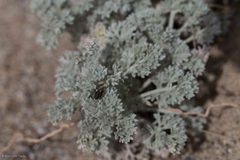
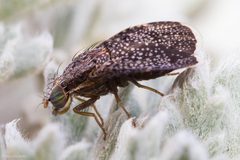
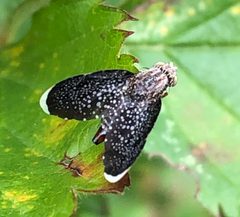
7Eutreta is a of fruit flies ( Tephritidae) established by Loew in 1873. The genus comprises 36 distributed across three subgenera: Eutreta, Metatephritis, and Setosigena. Species in this genus are known for inducing galls on plants, with documented associations to Asteraceae and Verbenaceae families. At least one species, Eutreta xanthochaeta, has been introduced to multiple regions for attempted of weeds.
Pronunciation
How to pronounce Eutreta: /juˈtrɛtɐ/
These audio files are automatically generated. While they are not always 100% accurate, they are a good starting point.
Images
Distribution
Distribution records from GBIF indicate presence in the United States, including Vermont. within the have been introduced to Hawaii, South Africa, and Australia for purposes. Native ranges of individual species include Mexico and the southwestern United States.
Host Associations
- Artemisia tridentata subsp. vaseyana - gall induction of Eutreta diana; mountain big sage
- Fouquieria splendens - gall induction of Eutreta; ocotillo
- Lantana camara - gall inductionTarget of Eutreta xanthochaeta for ; Verbenaceae
- Lippia myriocephala - gall inductionPreferred native of Eutreta xanthochaeta over camara; Verbenaceae
Behavior
in this induce galls on plants. Gall formation has been observed to alter host plant architecture, increasing terminal buds and reducing inflorescence production on affected twigs.
Human Relevance
Eutreta xanthochaeta was introduced to Hawaii, South Africa, and Australia for of the weed camara. The proved unsuitable for this purpose due to utilization of multiple native plants in its native Mexican range, compromising host specificity required for effective biocontrol.
Sources and further reading
- BugGuide
- Wikipedia
- GBIF taxonomy match
- iNaturalist taxon
- NCBI Taxonomy
- Catalogue of Life
- Exploring the Wonders of Insects--With a UC Davis Aboretum Talk and Tour | Bug Squad
- The biology and taxonomy of Eutreta (Diptera: Tephritidae)
- Evaluation of the Impact of the Fruit Fly ParasitoidDiachasmimorpha longicaudata(Hymenoptera: Braconidae) on a Nontarget Tephritid,Eutreta xanthochaeta(Diptera: Tephritidae)
- Unsuitability of the gall‐inducing fly Eutreta xanthochaeta for biological control of Lantana camara in presence of other native hosts in nature