
Eutreta diana
(Osten Sacken, 1877)
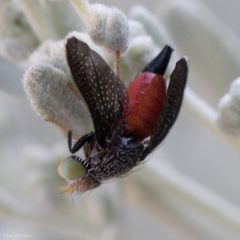
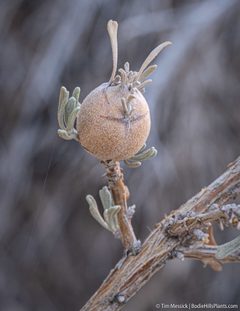
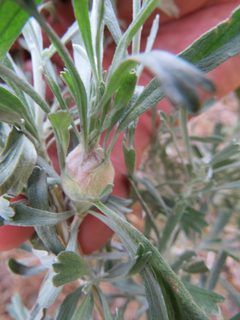
Eutreta diana is a gall-forming tephritid fly native to western North America. Females oviposit in vegetative buds of sagebrush (Artemisia spp.), and larvae induce woody galls where they feed internally. The has one per year, with gall growth synchronized to spring seasonal growth of plants. display distinctive coloration: pale green , white-dotted black wings, and bright red .
Identification
Distinguished from other Eutreta by the combination of pale green , white-dotted black wings, and bright red . Gall formation on sagebrush vegetative buds is diagnostic for this species within its range. Wing pattern and abdominal coloration separate it from non-gall-forming tephritids.
Images
Appearance
have pale green , white-dotted black wings, and bright red . Larvae develop internally within woody galls on sagebrush. Specific body measurements are not documented in available sources.
Habitat
Associated with sagebrush-dominated in western North America. Larval development occurs within woody galls on plants. Specific elevation or moisture requirements are not documented.
Distribution
Western North America; recorded from Canada and the United States. Exact range boundaries within this region are not specified in available sources.
Seasonality
One per year. Gall growth coincides with spring seasonal growth of sagebrush. activity period is not explicitly documented.
Diet
Larvae feed internally on sagebrush (Artemisia spp.) tissue within galls. Specific plant parts consumed and feeding habits are not documented.
Host Associations
- Artemisia tridentata - big sagebrush
- Artemisia - several and of sagebrush
Life Cycle
Females lay in vegetative buds of sagebrush. Larvae induce woody galls near oviposition sites and feed internally until maturity. occurs within galls. One per year; .
Behavior
Larval feeding induces gall formation on plants. Specific such as mating, , or patterns are not documented.
Ecological Role
Gall formation modifies plant growth and may affect resource allocation in sagebrush. Specific functions or trophic interactions beyond herbivory are not documented.
Similar Taxa
- Other Eutreta speciesSimilar wing patterns and gall-forming habits; distinguished by specific coloration combination and association
- Non-gall-forming TephritidaeSimilar -level ; distinguished by gall induction and red abdominal coloration
More Details
Taxonomic History
Originally described as Trypeta diana by Osten Sacken in 1877. Variety tricolor described by Snow in 1894 is now considered a synonym.
Gall Biology
Gall induction is localized to vegetative buds, with woody gall growth synchronized to plant . This timing suggests close with sagebrush seasonal development.
Sources and further reading
- BugGuide
- Wikipedia
- GBIF taxonomy match
- iNaturalist taxon
- NCBI Taxonomy
- Catalogue of Life
- Of Tules, Cattails and Dragonflies...and on St. Pat's Day! | Bug Squad
- CLBL Event on May 15: UC Davis Medical Entomologist to Discuss Natural Mosquito Control | Bug Squad
- Don't Miss the Wetlands Restoration Exhibit | Bug Squad
- Artificial Intelligence Performs Key Step in Fruit Fly Management
- For Mass-Rearing Sterile Fruit Flies, Fewer Males Means More Efficient Mating
- Meet the Recipients of the 2021 Black in Entomology Student Prizes