
Eutreta caliptera
(Say, 1830)
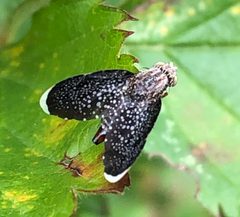
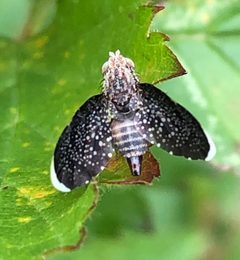
Eutreta caliptera is a of fruit fly in the Tephritidae, a group commonly known as true fruit flies or peacock flies. The species was first described by Thomas Say in 1830 under the basionym Trypeta caliptera. It belongs to the Eutreta, which includes gall-forming species associated with plants in the Asteraceae family. Relatively few detailed studies have focused specifically on this species compared to other tephritids.
Pronunciation
How to pronounce Eutreta caliptera: /juːˈtrɛtə kæˈlɪptərə/
These audio files are automatically generated. While they are not always 100% accurate, they are a good starting point.
Images
Distribution
Canada and the United States.
Host Associations
- Asteraceae - Eutreta is associated with this plant ; specific for E. caliptera not confirmed in available sources
Similar Taxa
- Eutreta dianaCongeneric with similar gall-forming ; E. diana has been studied on mountain big sage (Artemisia tridentata subsp. vaseyana) while E. caliptera associations are less documented
More Details
Taxonomic history
Originally described as Trypeta caliptera by Thomas Say in 1830, later transferred to the Eutreta.
Research context
The congeneric Eutreta diana has been studied for its gall-forming on sagebrush, providing context for understanding Eutreta , though direct observations of E. caliptera are sparse in published literature.