
Copestylum mexicanum
(Macquart, 1842)
Mexican Cactus Fly
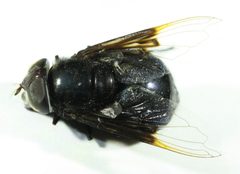
Copestylum mexicanum, commonly known as the Mexican cactus fly, is a of syrphid fly in the Syrphidae. The species is documented in the southwestern United States, with observations spanning multiple states including Oklahoma, Colorado, Utah, Arizona, and New Mexico. have been observed visiting flowers, particularly those of pricklypear cacti (Opuntia species) and other desert flora. The species is part of a diverse of flower-visiting insects in arid and semi-arid .
Pronunciation
How to pronounce Copestylum mexicanum: /koʊˈpɛstɪləm mɛksɪˈkɑːnəm/
These audio files are automatically generated. While they are not always 100% accurate, they are a good starting point.
Identification
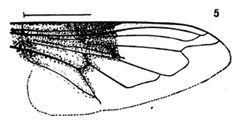
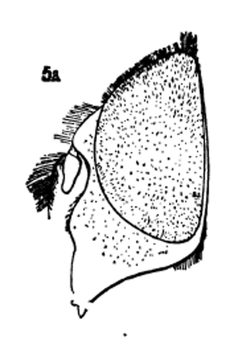
Copestylum mexicanum belongs to the Copestylum, which comprises robust, often -mimicking syrphid flies. in this genus typically have a stocky build, large that may meet in males, and coloration patterns that can include yellow, brown, or black markings. Definitive identification to species level requires examination of morphological characters including male genitalia and specific wing venation patterns. The species can be distinguished from similar Copestylum species by subtle differences in abdominal patterning and structural features.
Images
Habitat
Arid and semi-arid environments including pinyon-juniper woodland, shortgrass prairie, gypsum-capped clay mesas, and riparian corridors. are associated with flowering plants in these , particularly cactus flowers and other desert-adapted flora.
Distribution
Documented from the southwestern United States including Oklahoma, Colorado, Utah, Arizona, and New Mexico. The name suggests a broader distribution extending into Mexico, though specific Mexican records are not detailed in available sources.
Seasonality
activity has been documented from late June through early July in the southwestern United States. Peak activity likely coincides with summer blooming periods of flowers, particularly following seasonal rains that stimulate desert plant flowering.
Host Associations
- Opuntia - flower visitor observed on flowers of pricklypear cacti
- Thelesperma megapotamicum - flower visitorObserved on rayless greenthread flowers in shortgrass prairie
Behavior
are flower visitors, actively foraging on blooming plants during daylight hours. The has been observed sharing flowers with diverse including Acmaeodera species, Trichodes species, and other flower-visiting insects. or patterns are not documented.
Ecological Role
likely function as of desert flora, including cacti and composite flowers. As a member of the flower-visiting insect , the contributes to pollination networks in arid . Larval is unknown but larvae of related Copestylum species are associated with decaying organic matter.
Similar Taxa
- Copestylum caudatumSimilar robust syrphid and flower-visiting ; distinguished by specific abdominal patterning and structural features
- Other Copestylum species-level similarity in overall appearance; identification requires detailed morphological examination
More Details
Flower associations
In the field report, Copestylum mexicanum was documented on flowers of Thelesperma megapotamicum (rayless greenthread) in shortgrass prairie in Cimarron County, Oklahoma. The was part of a diverse flower-visiting including beetles, bees, and other insects.