
Ceriana abbreviata
Loew, 1864
Northern Wasp Fly
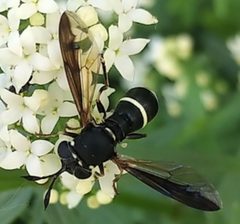
Ceriana abbreviata, known as the Northern Fly, is a rare syrphid fly first described by Loew in 1864. The species exhibits , resembling wasps in coloration and body form to avoid . are that visit flowers for nectar and pollen, while larvae develop in tree wounds where they feed on sap. The species has been documented across North America including the United States and Canada.
Pronunciation
How to pronounce Ceriana abbreviata: /ˈsɛriːˌɑːnə æ.briː.viːˈeɪtə/
These audio files are automatically generated. While they are not always 100% accurate, they are a good starting point.
Identification
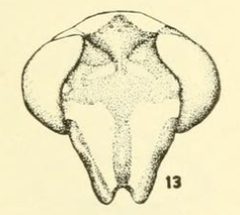
Distinguished from actual (Vespula, Polistes) by possession of two wings rather than four, presence of aristate , and spongelike mouthparts. Distinguished from other syrphid flies by the specific structure and wasp-mimic coloration pattern. Separation from congeneric such as Ceriana tridens requires examination of specific morphological details not fully detailed in available sources.
Images
Appearance
possess a -like body form with slender build and coloration resembling yellowjackets or paper wasps. The bears with a knoblike bristle () at the tip of each. Two wings are present (characteristic of Diptera), not four as in Hymenoptera. Mouthparts are spongelike in form. The overall wasp-mimic appearance includes contrasting color patterns that likely serve an anti- function.
Habitat
are found in association with flowering vegetation. Larval consists of tree wounds and fissures where sap exudes.
Distribution
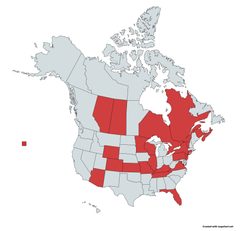
Documented from the United States and Canada. Specific records include Vermont. Described as rare across its range.
Diet
feed on nectar and pollen from flowers. Larvae feed on sap from tree wounds.
Life Cycle
Females oviposit in fissures and wounds of trees. Larvae hatch and develop within these tree wounds, feeding on sap. Details of and full developmental timeline are not documented in available sources.
Behavior
exhibit hovering , remaining nearly motionless in flight before descending to flowers. Adults are active flower visitors. The exhibits -mimicry, likely providing protection from that avoid wasps.
Ecological Role
function as through flower visitation. Larvae contribute to nutrient cycling in tree wound microhabitats.
Human Relevance
The has been featured in entomological photography competitions, highlighting its value for science communication and aesthetic appreciation. As a , it contributes to services in natural and semi-natural .
Similar Taxa
- Ceriana tridensCongeneric -mimic syrphid fly with similar and appearance; both oviposit in tree fissures and have larvae that feed on sap
- Vespula pensylvanica (Western yellowjacket)Hymenopteran that serves as the mimicry model; distinguished by four wings, different structure, and stinging capability
- Polistes dominula (European paper wasp)Hymenopteran mimicry model; distinguished by four wings, elbowed , and paper nest construction
More Details
Conservation Status
Described as rare across its documented range; specific status and threats have not been assessed in detail.
Taxonomic History
First described by Hermann Loew in 1864; has remained in the Ceriana within tribe Cerioidini.